
What Is Heavy Metals?
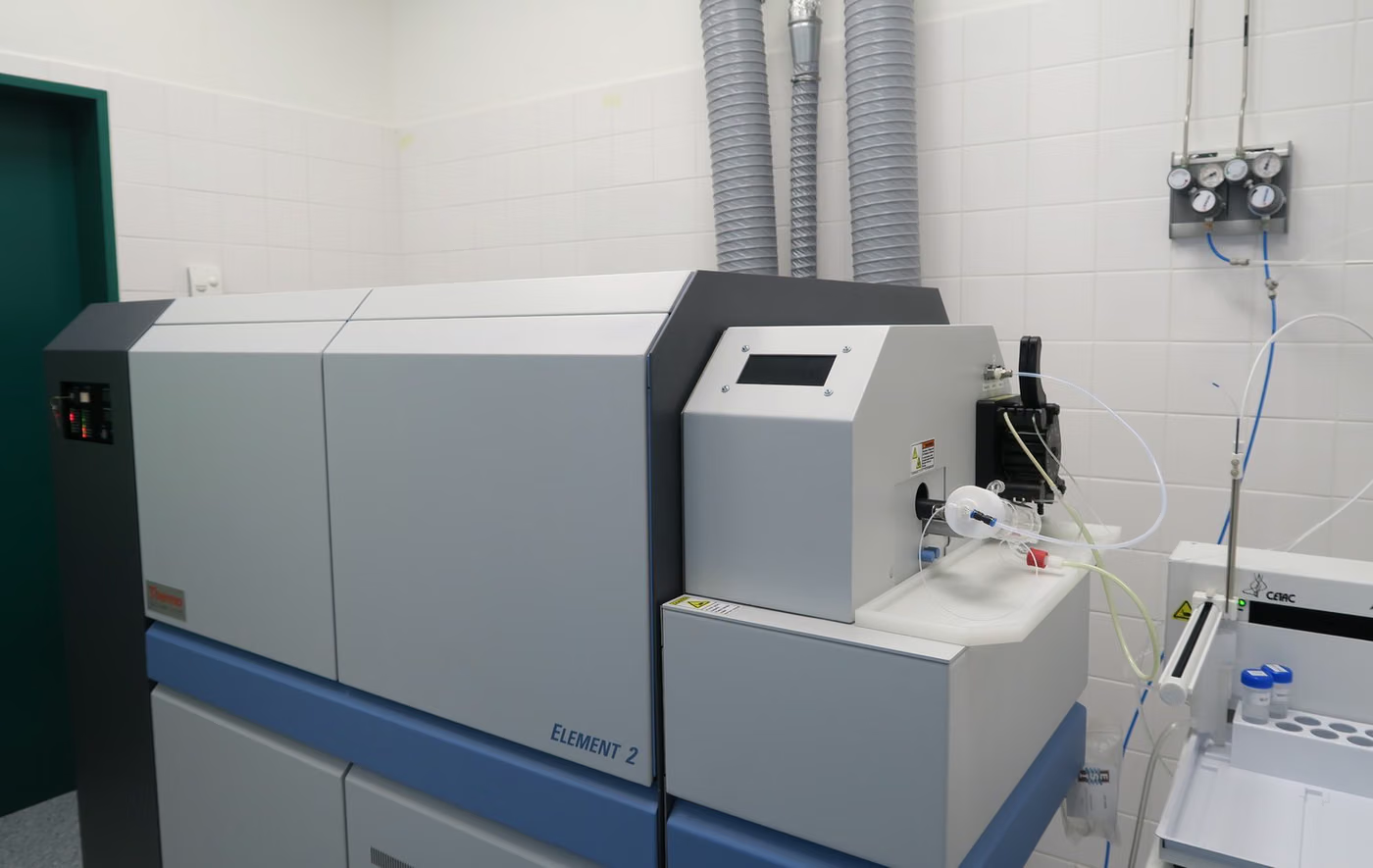
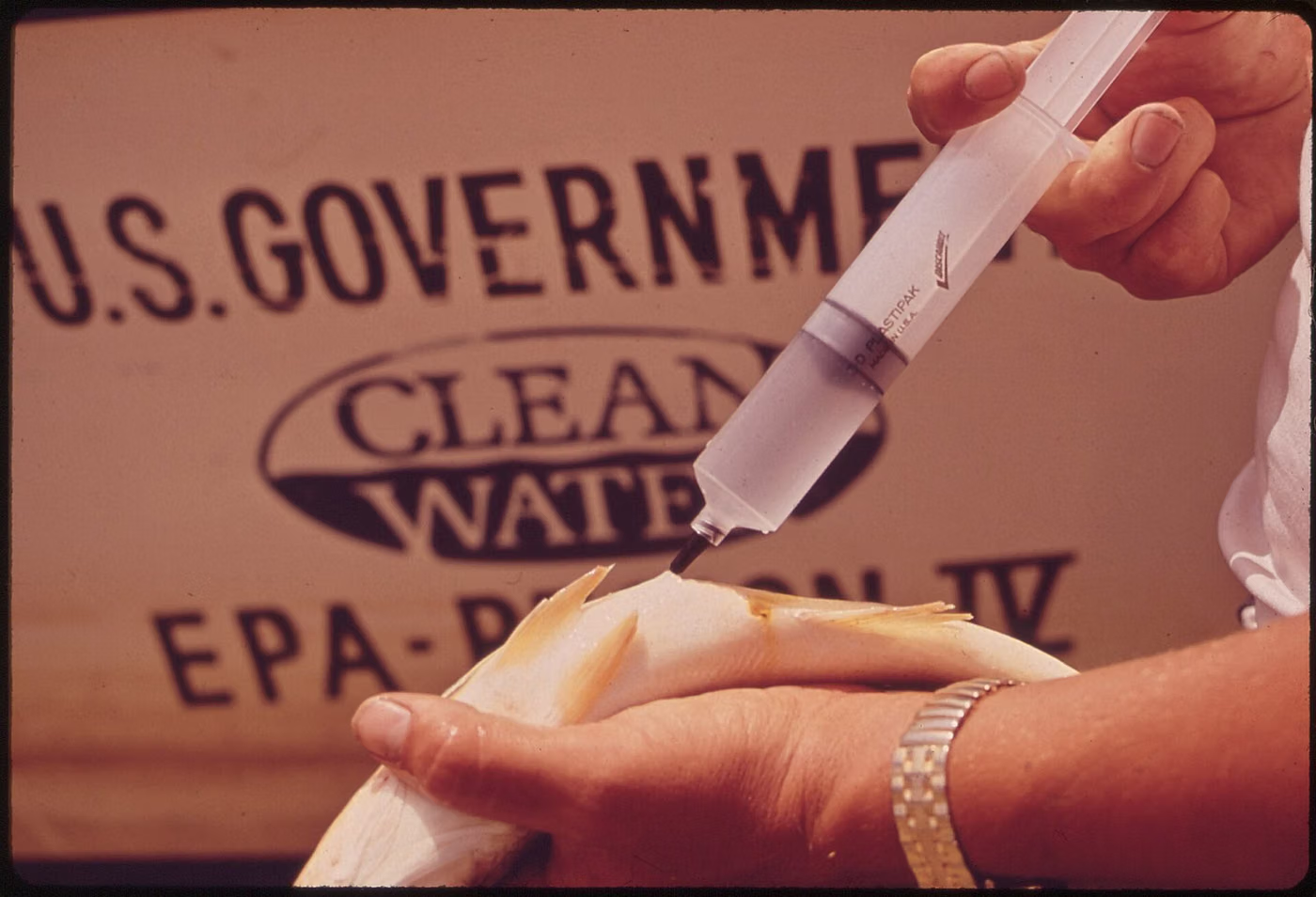
Heavy metal analysis is the determination of the concentration of elements such as lead, cadmium, mercury, arsenic, chromium and nickel in the sample. Measurement is done by ICP-OES or ICP-MS; The decisive factor is the sample preparation step and this step varies depending on the matrix. IN TEXTILES artificial sweat extractable (EN 16711-2) or total (EN 16711-1) metal is measured. IN SKIN ISO 17072 makes the same distinction. IN TOYS EN 71-3 yields metal that migrates from mouthable materials under stomach acid-like conditions. In FOOD, the total element content is determined, and in ENVIRONMENT samples, the concentration in water, soil and waste is determined.
Purpose of Heavy Metals
The aim is to determine whether the risk posed by the heavy metals contained in the product through skin contact, ingestion or release into the environment remains within the limits of the legislation.
Which Products Is Heavy Metals Applied To?
- Dyed and printed textiles, baby and children's clothing
- Leather shoes, bags and clothing
- Toys and child care items
- Food products and food contact materials
- cosmetic products
- Wastewater, drinking water, soil and waste samples
In Which Sectors Is Heavy Metals Used?
Standards Related to Heavy Metals
- TS EN 16711-1 (textile — total metal content, microwave decomposition)
- TS EN 16711-2 (tekstil — yapay asidik terle ekstrakte edilebilir metaller)
- TS EN 16711-3 (textile — lead and cadmium restriction)
- TS EN ISO 17072-1 / -2 (skin — extractable and total metal)
- TS EN 71-3 (toy — migration of certain elements)
- TS EN 1811 (nickel release in metal accessories)
- TS EN 13804 / 13805 (food — element determination and pressure solubilization)
- TS EN ISO 17294-2 (water — element determination by ICP-MS)
- TS EN 13657 / ISO 11466 (soil and waste — solubilization)
Heavy Metals Conditions
- Textiles and leather
- Extraction with acidic sweat solution or acid solubilization in microwave
- Toy
- Migration test in dilute hydrochloric acid medium defined in EN 71-3
- food and environment
- Pressurized microwave solubilization; direct measurement in water samples
- Measurement
- ICP-OES or ICP-MS; cold steam technique if necessary for mercury
- Unit
- mg/kg veya µg/L
Equipment for Heavy Metals
- ICP-OES / ICP-MS
- Microwave digestion system
- Cold vapor/hydride system (for mercury and arsenic)
- Water bath and shaker
- Analytical balance and mill
Sample Requirements for Heavy Metals
- Separate sample for each colour, component and matrix
- Metal accessories should be evaluated separately
- Each material category in the toy is a separate sample
- To avoid metal contamination, the sample should not be cut with metal tools.
- Water samples should be sent in a suitable container and protected with acid if necessary.
Duration of Heavy Metals
Sample preparation (extraction or solubilization) and ICP measurement determine the time; Results are usually available within a few business days. As the number of elements and matrix complexity increases, the time increases.
Heavy Metals Procedure
- 1The sample is separated by matrix and component, ground or cut, and weighed.
- 2In extractable/migration analysis, it is extracted with the solution defined in the standard.
- 3In total analysis, it is solubilized with acid in the microwave.
- 4The solution is filtered and diluted.
- 5Internal standard is added and ICP and elemental concentrations are measured.
- 6The result is calculated in the unit appropriate to the matrix.
Heavy Metals Acceptance Criteria
Acceptance criteria vary depending on the matrix and target market: in textiles and leather, REACH Annex The limit to be applied is determined according to the scope of the product and is confirmed from the current text.
Evaluation of Results
Total, extractable and migration results are not interchangeable: in a product with a high total content, the extractable amount may remain below the limit. Which one the specification requires and which limit it is compared to is clearly stated in the report.
Heavy Metals Report
- Sample description, matrix and analyzed components
- Applied standard and sample preparation method
- Result and limit of quantification for each element
- Knowledge of measurement technique and internal standards
- Compared limit value and its source
Accreditation
EUROLAB holds internationally recognised accreditation obtained from accreditation bodies party to the IAF and ILAC multilateral recognition arrangements, under ISO/IEC 17025 for laboratory testing, ISO/IEC 17020 for inspection and surveillance, and ISO/IEC 17021-1 and ISO/IEC 17065 for system and product certification. This chain ensures the reports and certificates issued are accepted worldwide.
Whether this test can be offered within accredited scope depends on your product and the standard applied; since accreditation is method-based, the scope is confirmed in writing at the quotation stage.
Scope and authorisationsRelated Regulations
- (EC) 1907/2006 REACH Annex XVII
- 2009/48/EC Toy Safety Directive
- (EU) Regulation 2023/915 on Maximum Levels of Contaminants in Food
- (EC) 1223/2009 Cosmetic Products Regulation
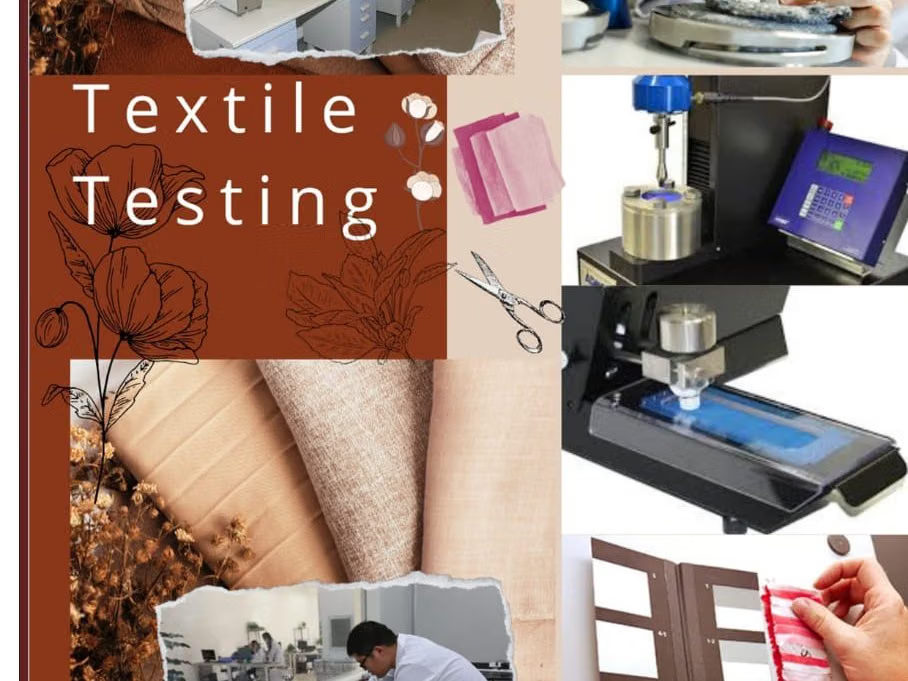
Tekstil Testleri — What Does This Testing Field Cover?
The section below describes the field that the Heavy Metals test belongs to; the conditions and acceptance criteria of this particular test are given in the sections above. The scope specific to your product is confirmed in writing at the quotation stage.
Textile testing answers two questions separately: does the fabric hold up physically over its service life, and does it carry any substance restricted for human health? These two axes require different laboratory infrastructure and different decision mechanisms.
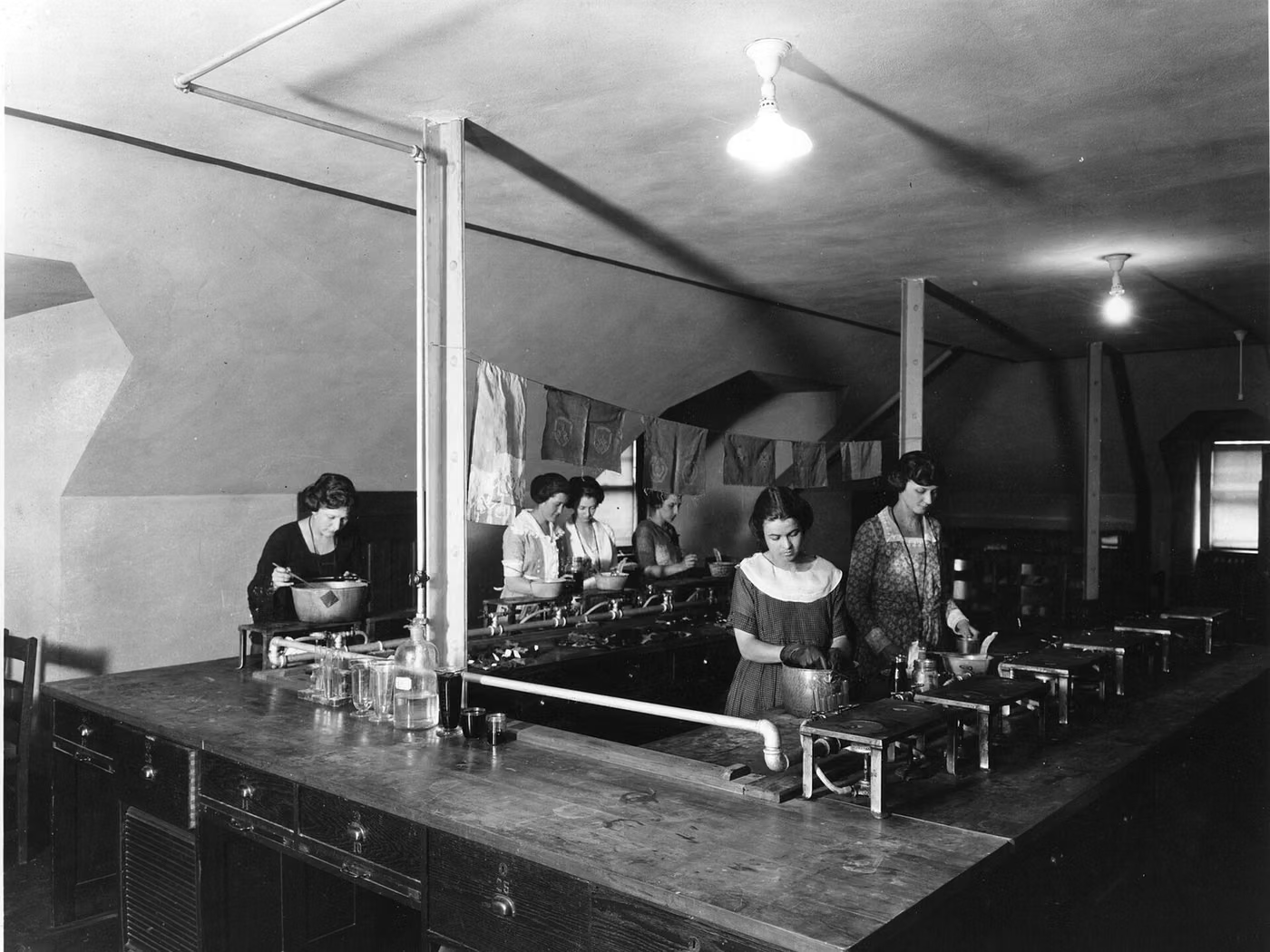
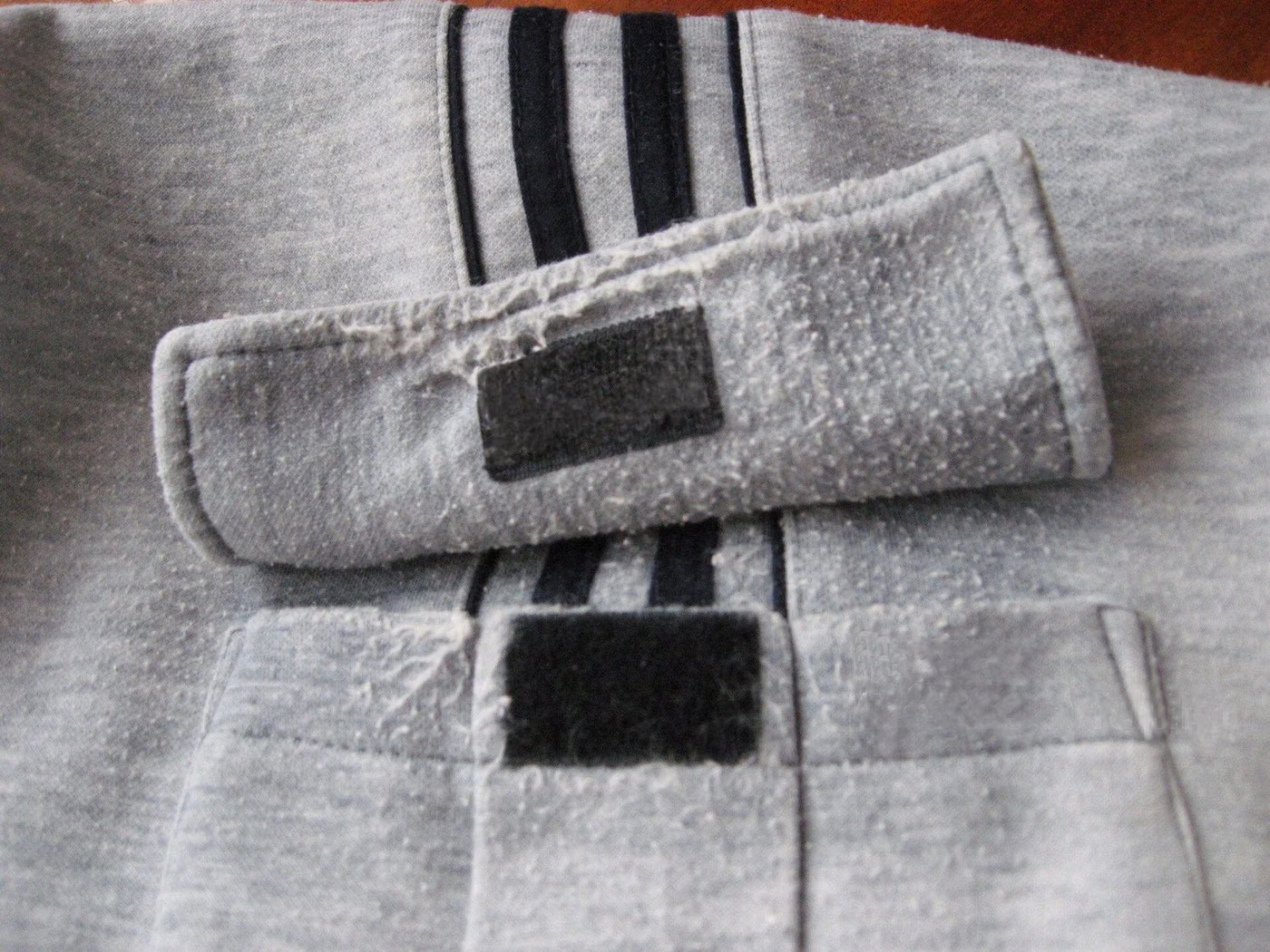
On the physical side, breaking and tear strength, abrasion resistance, pilling, dimensional change, colour fastness and water and oil repellency are measured. Most of these tests depend on the USE SCENARIO: Martindale abrasion cycles are decisive for an upholstery fabric, while dimensional change in washing and colour fastness come to the fore for a shirting fabric. The same fabric goes through a different test set for a different use.
Colour fastness is a body of work of its own in this field and is not a single test. The fastness of the same fabric to light, washing, rubbing, perspiration, saliva, chlorinated water and ironing is measured separately; each represents a different moment of use. Results are rated from 1 to 5 on the grey scale and the specification gives a separate minimum rating for each agent.
On the chemical side, aromatic amines released from azo dyes, formaldehyde, heavy metals, phthalates, short-chain chlorinated paraffins, alkylphenols and PFAS compounds are screened. These items come from REACH restrictions, brand restricted substance lists (RSL) and voluntary schemes such as OEKO-TEX. Brand lists are often stricter than legislation; the target customer is decisive.
There is NO CE marking on consumer textiles. The obligation has three legs: fibre composition and care labelling, compliance with chemical restrictions, and general product safety. Textiles claiming a protective function (workwear, flame-resistant clothing, high-visibility clothing) fall under personal protective equipment legislation, where CE is mandatory — this distinction is commercially critical.
Verifying the label declaration is the most routine work in the field. Quantitative fibre analysis confirms the blend ratio stated on the label; tolerance ranges are defined in legislation. An incorrect fibre declaration both misleads the consumer and affects customs classification.
Sustainability claims have added a new body of work to the field in recent years: verification of recycled content (GRS, RCS), organic content (GOTS), restriction of harmful chemicals and water/energy footprint declarations. These claims now require auditable evidence.
Method groups in this field
Strength and durability
Strip and grab breaking strength, tearing by the Elmendorf and tongue methods, seam strength, bursting strength.
Abrasion and surface
Martindale and rotary platform abrasion, pilling and fuzzing, fabric mass and thread density measurements.
Dimensional stability
Dimensional change in washing and drying, wrinkling behaviour, appearance after ironing.
Colour fastness
Fastness to light (xenon), washing, rubbing, perspiration, saliva, water and chlorinated water; rating on the grey scale.
Functional properties
Water repellency (spray test), oil repellency, waterproofness, air permeability, effectiveness of antibacterial finishes, UV protection factor.
Chemical analyses
Aromatic amines from azo dyes, formaldehyde, pH, heavy metals, phthalates, chlorinated phenols, PFAS and alkylphenols.
Commonly confused in this field
- A brand restricted substance list (RSL) may be stricter than legislation; REACH compliance does not mean compliance with the customer specification.
- Textiles claiming a protective function fall under PPE legislation and require CE; an ordinary textile test report does not satisfy that file.
- Colour fastness is not a single number; a rating cannot be interpreted without stating which agent it relates to.
- A result obtained for a fabric does not cover the whole garment made from it; lining, sewing thread, print and trims are assessed separately.
- Performance claims after washing are valid together with the stated number of wash cycles; the word "permanent" on its own is not verifiable.
Which decisions these results support
- Compliance with the brand restricted substance list (RSL)
- Verification of label declarations: fibre composition and care instructions
- Determining the performance class of upholstery and technical textiles
- Pre-import shipment inspection and lot acceptance
- Supporting sustainability and recycled content claims
Related Tests

Frequently Asked Questions About Heavy Metals
Is nickel included in this scope?
Nickel release is a separate test (EN 1811) and applies to metal parts in direct prolonged contact with the skin. Accessories such as zippers, snaps and buttons are evaluated separately from fabric or leather.
Should I ask for total or extractable?
If skin contact risk is assessed, extractable method is the right question. Some legislative provisions, such as the lead and cadmium restriction, are defined in terms of total content; Whatever your specification requires is applied.
Can the textile result be used for toys?
Not available. EN 71-3 measures metal migrating under stomach acid-like conditions and defines different limits depending on the material category. The result of sweat extraction taken for textile does not indicate the suitability of the toy.
Is the total chrome result the same as chrome VI?
It is not. Heavy metal analysis gives total chromium and this alone is not a non-compliance. Hexavalent chromium (Cr VI) is restricted in leather and is measured separately by ISO 17075.