
What Is Azo Dyes?
Azo dye analysis is the determination of whether azo dyes used in textile or leather products release prohibited aromatic amines under reducing conditions. The sample is reduced with sodium dithionite, the resulting amines are extracted and identified and measured by chromatographic methods.
Purpose of Azo Dyes
The aim is to determine whether azo dyes that release aromatic amines prohibited under Article 43 of REACH Annex XVII are present in the product. Some of these amines are classified as carcinogenic and are prohibited in products that come into prolonged contact with the skin.
Which Products Is Azo Dyes Applied To?
- Textile products in contact with skin
- Leather and synthetic leather products
- shoes and bags
- Home textiles
- Baby and children's products
In Which Sectors Is Azo Dyes Used?
Standards Related to Azo Dyes
- TS EN ISO 14362-1 (amines from extracted and non-extractable azo dyes)
- TS EN ISO 14362-3 (4-aminoazobenzen tayini)
- TS EN ISO 17234-1/-2 (for leather)
Azo Dyes Conditions
- Reduction
- With sodium dithionite in citrate buffer, at the temperature defined in the standard
- Measurement
- Identification and verification by GC-MS and/or HPLC-DAD
- Unit
- mg/kg (ppm)
Equipment for Azo Dyes
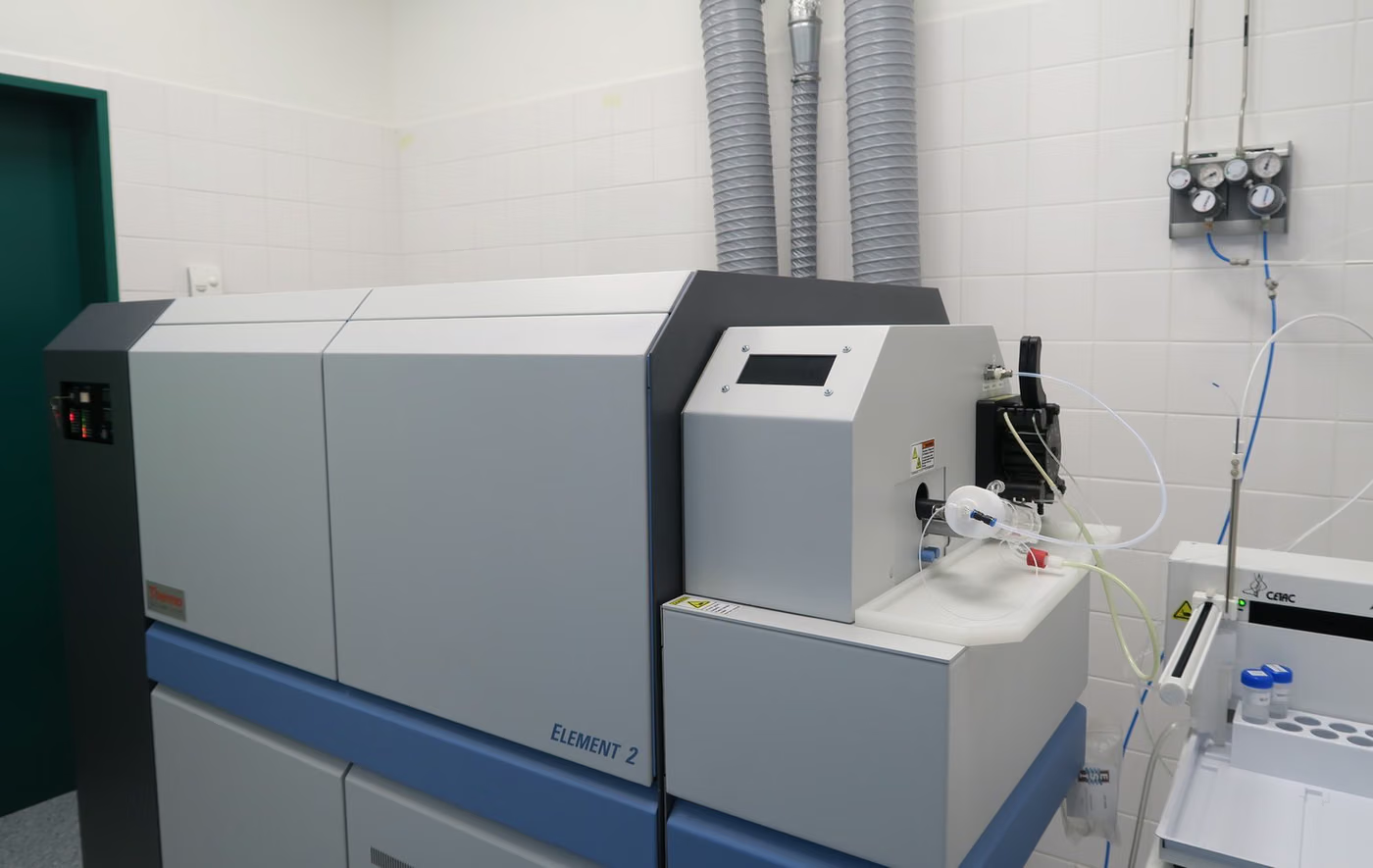
- GC-MS
- HPLC-DAD or LC-MS/MS
- Water bath and reduction apparatus
- Solid-phase extraction system
Sample Requirements for Azo Dyes
- Separate samples required for each color
- In printed products, each color area should be analyzed separately
- Approximately 1 g representative sample
- The number of samples increases for mixed color products
Duration of Azo Dyes
Analysis takes several working days due to the reduction, extraction and chromatographic measurement steps. As the number of colors increases, the time increases linearly.
Azo Dyes Procedure
- 1The sample is separated into colors and weighed.
- 2It is reduced with sodium dithionite in citrate buffer.
- 3The released amines are extracted with the appropriate solvent.
- 4The extract is concentrated.
- 5Identification is carried out by GC-MS.
- 6Amines found are confirmed by a second method and their amount is calculated.
Azo Dyes Acceptance Criteria
REACH Annex XVII article 43 defines a threshold concentration for listed aromatic amines; The result above this threshold is non-compliance. The current threshold and amine list are confirmed from the legislative text.
Evaluation of Results
Each amine is reported separately. A positive finding is not reported without confirmation by a second chromatographic method; In some matrices, interference can produce false positives. 4-aminoazobenzene is analyzed in a separate section (14362-3).
Azo Dyes Report
- Specimen identification and colours analysed
- Part of the standard applied
- Result (mg/kg) and limit of quantification for each amine
- Confirmation method
- Regulatory limit compared against
Accreditation
EUROLAB holds internationally recognised accreditation obtained from accreditation bodies party to the IAF and ILAC multilateral recognition arrangements, under ISO/IEC 17025 for laboratory testing, ISO/IEC 17020 for inspection and surveillance, and ISO/IEC 17021-1 and ISO/IEC 17065 for system and product certification. This chain ensures the reports and certificates issued are accepted worldwide.
Whether this test can be offered within accredited scope depends on your product and the standard applied; since accreditation is method-based, the scope is confirmed in writing at the quotation stage.
Scope and authorisationsRelated Regulations
- (EC) 1907/2006 REACH Annex XVII Entry 43
Tekstil Testleri — What Does This Testing Field Cover?
The section below describes the field that the Azo Dyes test belongs to; the conditions and acceptance criteria of this particular test are given in the sections above. The scope specific to your product is confirmed in writing at the quotation stage.
Textile testing answers two questions separately: does the fabric hold up physically over its service life, and does it carry any substance restricted for human health? These two axes require different laboratory infrastructure and different decision mechanisms.
On the physical side, breaking and tear strength, abrasion resistance, pilling, dimensional change, colour fastness and water and oil repellency are measured. Most of these tests depend on the USE SCENARIO: Martindale abrasion cycles are decisive for an upholstery fabric, while dimensional change in washing and colour fastness come to the fore for a shirting fabric. The same fabric goes through a different test set for a different use.
Colour fastness is a body of work of its own in this field and is not a single test. The fastness of the same fabric to light, washing, rubbing, perspiration, saliva, chlorinated water and ironing is measured separately; each represents a different moment of use. Results are rated from 1 to 5 on the grey scale and the specification gives a separate minimum rating for each agent.
On the chemical side, aromatic amines released from azo dyes, formaldehyde, heavy metals, phthalates, short-chain chlorinated paraffins, alkylphenols and PFAS compounds are screened. These items come from REACH restrictions, brand restricted substance lists (RSL) and voluntary schemes such as OEKO-TEX. Brand lists are often stricter than legislation; the target customer is decisive.
There is NO CE marking on consumer textiles. The obligation has three legs: fibre composition and care labelling, compliance with chemical restrictions, and general product safety. Textiles claiming a protective function (workwear, flame-resistant clothing, high-visibility clothing) fall under personal protective equipment legislation, where CE is mandatory — this distinction is commercially critical.
Verifying the label declaration is the most routine work in the field. Quantitative fibre analysis confirms the blend ratio stated on the label; tolerance ranges are defined in legislation. An incorrect fibre declaration both misleads the consumer and affects customs classification.
Sustainability claims have added a new body of work to the field in recent years: verification of recycled content (GRS, RCS), organic content (GOTS), restriction of harmful chemicals and water/energy footprint declarations. These claims now require auditable evidence.
Method groups in this field
Strength and durability
Strip and grab breaking strength, tearing by the Elmendorf and tongue methods, seam strength, bursting strength.
Abrasion and surface
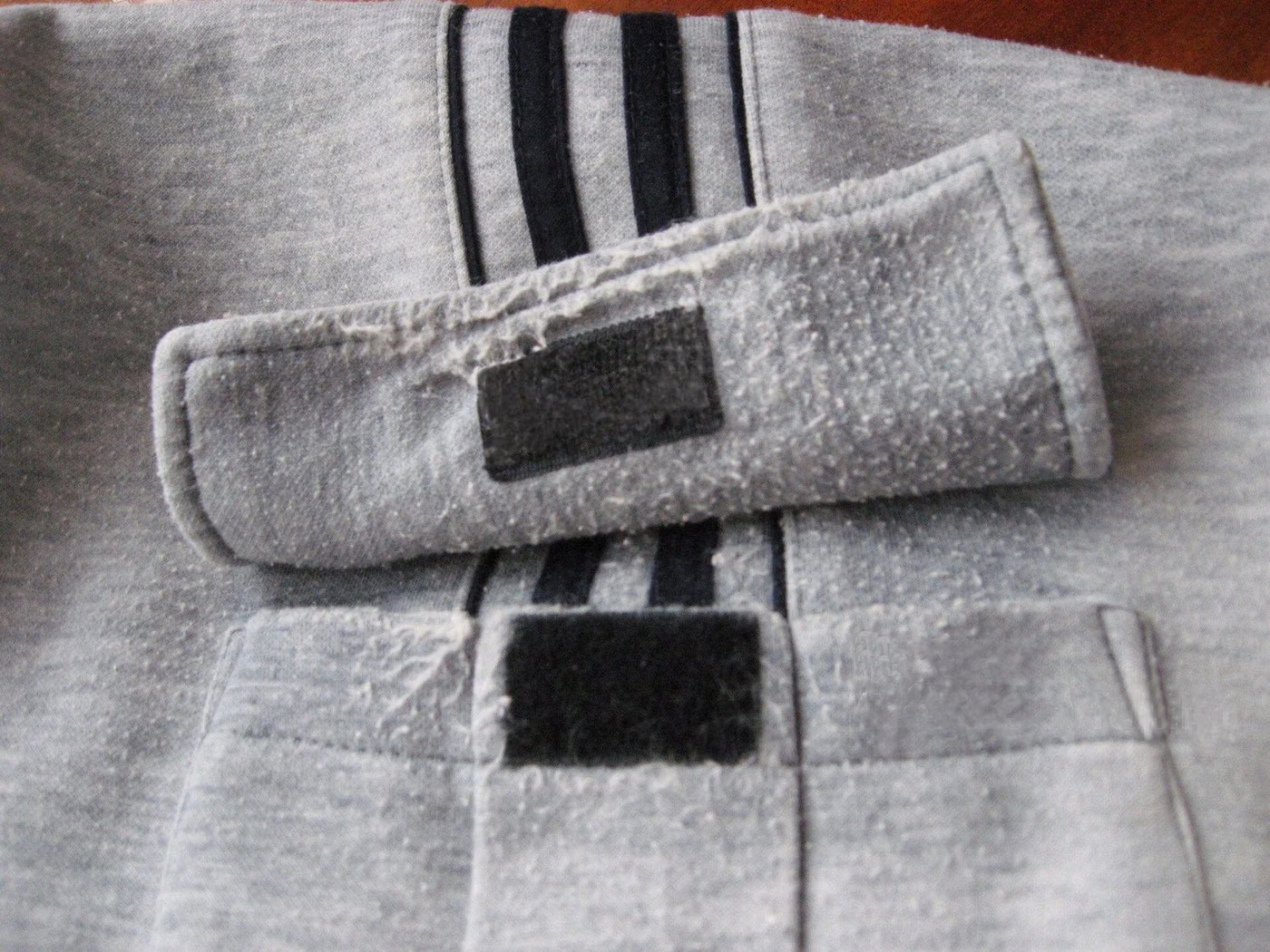
Martindale and rotary platform abrasion, pilling and fuzzing, fabric mass and thread density measurements.
Dimensional stability
Dimensional change in washing and drying, wrinkling behaviour, appearance after ironing.
Colour fastness
Fastness to light (xenon), washing, rubbing, perspiration, saliva, water and chlorinated water; rating on the grey scale.
Functional properties
Water repellency (spray test), oil repellency, waterproofness, air permeability, effectiveness of antibacterial finishes, UV protection factor.
Chemical analyses
Aromatic amines from azo dyes, formaldehyde, pH, heavy metals, phthalates, chlorinated phenols, PFAS and alkylphenols.
Commonly confused in this field
- A brand restricted substance list (RSL) may be stricter than legislation; REACH compliance does not mean compliance with the customer specification.
- Textiles claiming a protective function fall under PPE legislation and require CE; an ordinary textile test report does not satisfy that file.
- Colour fastness is not a single number; a rating cannot be interpreted without stating which agent it relates to.
- A result obtained for a fabric does not cover the whole garment made from it; lining, sewing thread, print and trims are assessed separately.
- Performance claims after washing are valid together with the stated number of wash cycles; the word "permanent" on its own is not verifiable.
Which decisions these results support
- Compliance with the brand restricted substance list (RSL)
- Verification of label declarations: fibre composition and care instructions
- Determining the performance class of upholstery and technical textiles
- Pre-import shipment inspection and lot acceptance
- Supporting sustainability and recycled content claims
Related Tests



Frequently Asked Questions About Azo Dyes
Is it necessary to test each color separately?
It is essential. The forbidden amine comes from a single dye; If the colors are mixed and a single sample is made, the result may be below the limit due to dilution and the inappropriate product will appear appropriate.
Is it also necessary for white products?
The risk is low because undyed white products do not contain azo dyes, but optical brighteners and printing aids should be considered. If your specification requires analysis for white as well, it applies.