
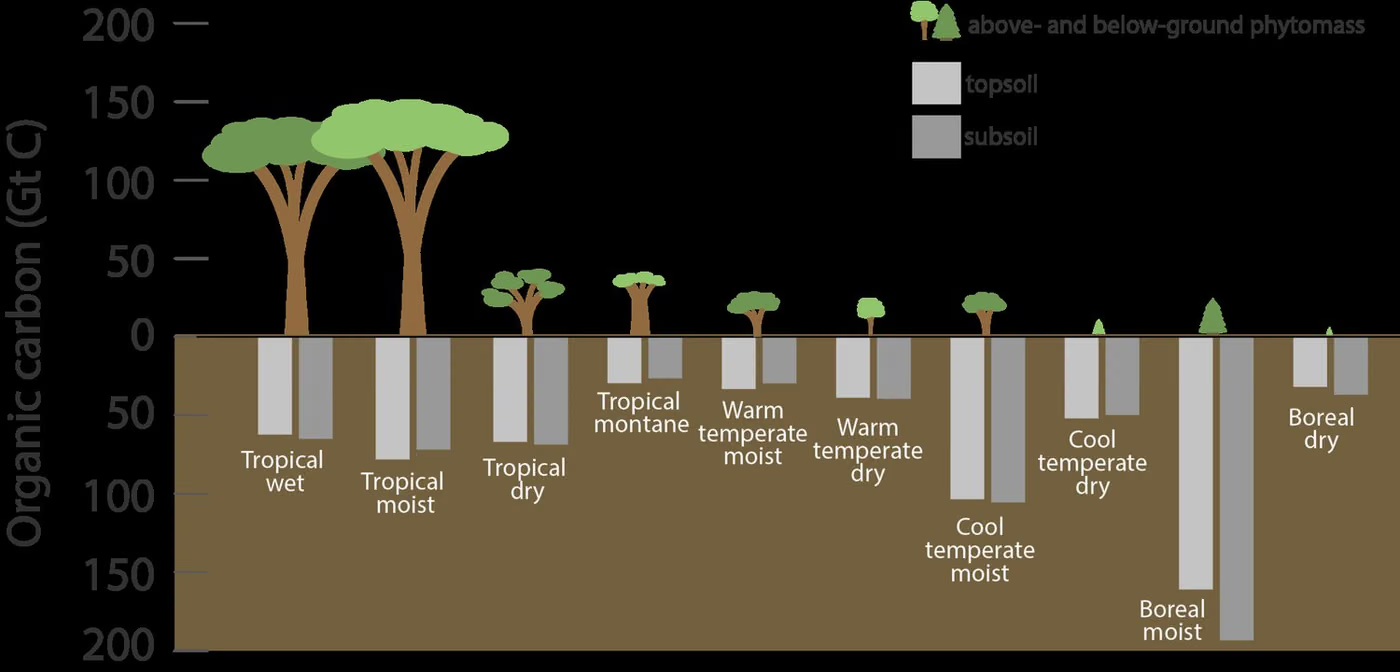
What Is TOC?
TOC analysis determines the amount of organically bound carbon in a specimen. Organic carbon in the specimen is converted to carbon dioxide by combustion or chemical oxidation, and the resulting carbon dioxide is measured. Inorganic carbon is either removed beforehand or measured separately and subtracted from the total carbon.
Purpose of TOC
The purpose is to express the organic pollution load in water and waste quickly with a single number. It is also used to monitor purified water quality and for cleaning verification in the pharmaceutical and electronics sectors.
Which Products Is TOC Applied To?
- Drinking and waste water
- Pharmaceutical purified water and water for injection
- Ultrapure process waters
- Waste and leachate specimens
- Cleaning verification specimens
In Which Sectors Is TOC Used?
Standards Related to TOC
- TS EN 1484 (water analysis — guidelines for the determination of total organic carbon and dissolved organic carbon)
- TS EN 13137 (waste, sludge and sediment — determination of TOC)
- TS EN 15936 (TOC in soil and waste)
- Ph. Eur. 2.2.44 (total organic carbon in pharmaceutical waters)
- USP <643> (total organic carbon)
TOC Conditions
- Oxidation
- High-temperature catalytic combustion or UV/persulphate oxidation
- Inorganic carbon
- Removed by acidification and gas sparging, or measured separately
- Contamination
- Organic contamination from glassware and purified water directly affects the result
- Specimen container
- A glass container is preferred; plastic can leach organic matter
Equipment for TOC
- TOC analyser (combustion or UV/persulphate)
- NDIR carbon dioxide detector
- Automatic sample changer
- Ultrapure water system
Sample Requirements for TOC
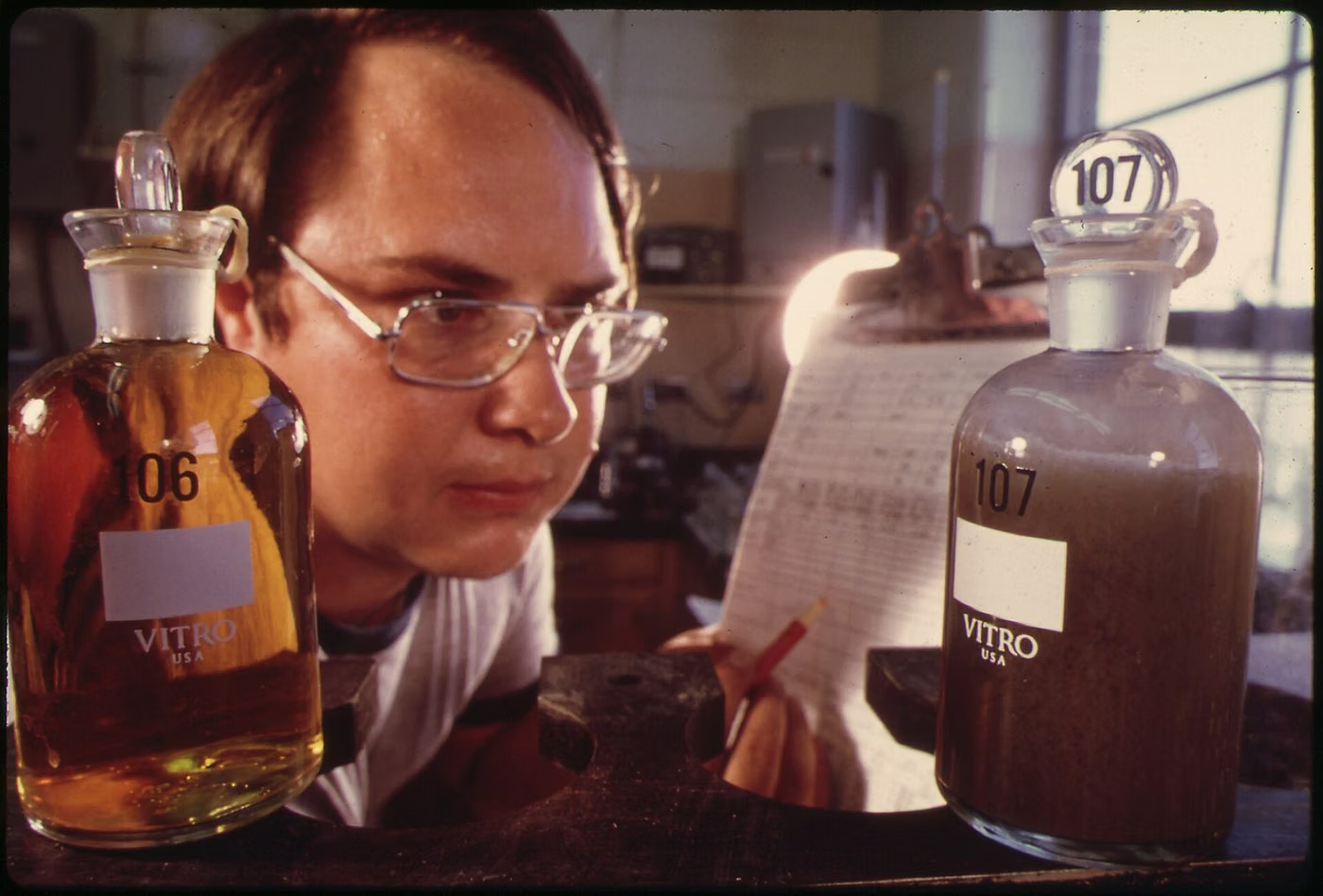
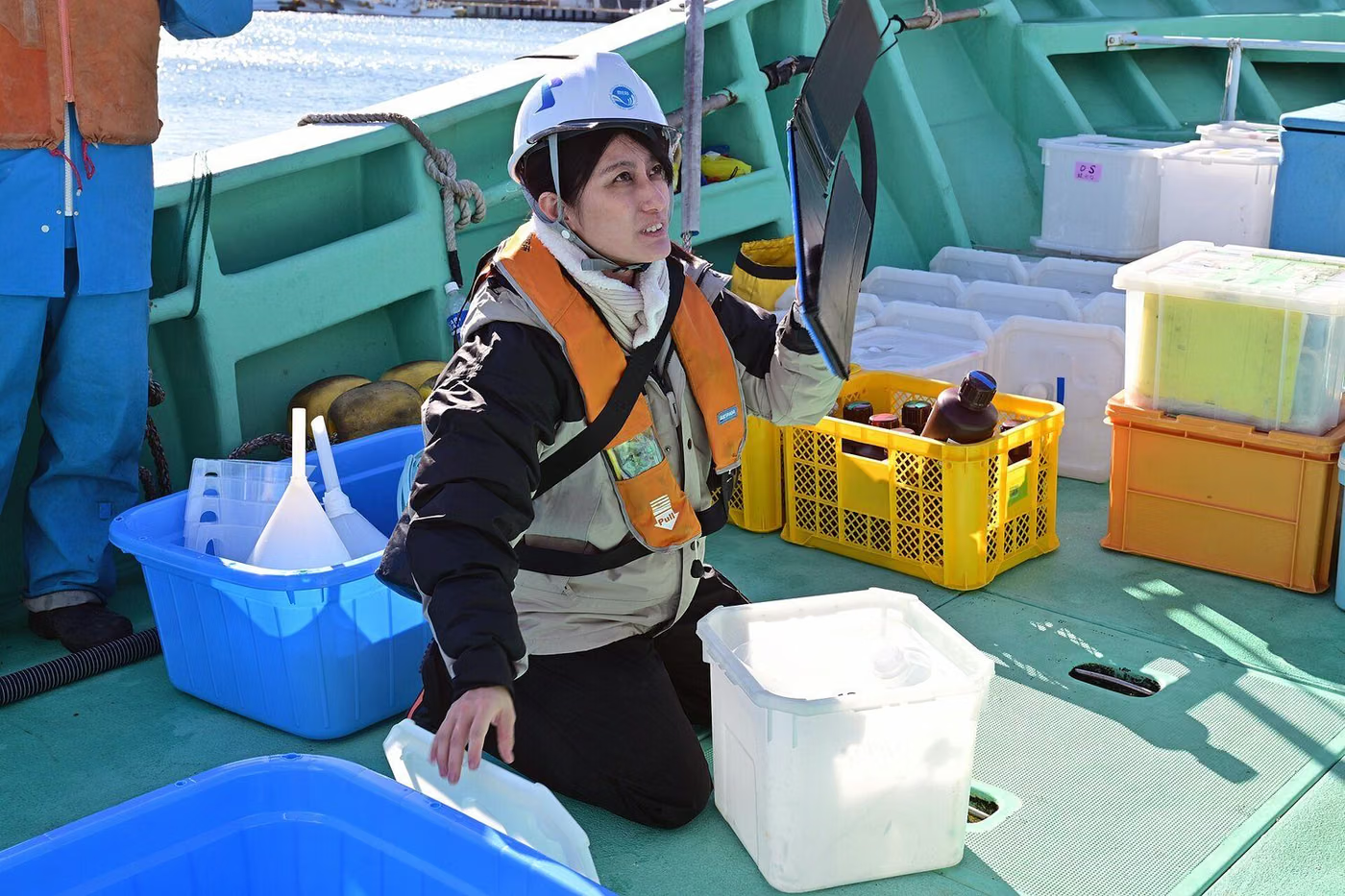
- Sampling is the largest component of total uncertainty in environmental analysis. The specimen container, preservation (acidification, cooling, storage in the dark), fill method and time to reach the laboratory are all defined in the standard; if any one is not met, the result loses its validity. Sampling must be carried out by authorised personnel per a written plan.
- Must be submitted in a glass container, acidified if required
- The specimen container must be cleaned to leave no organic residue
- Pharmaceutical water specimens must be taken with a special procedure
Duration of TOC
The measurement is quick; results are obtained in a short time per specimen. Total duration is set by the number of specimens and the required quality control measurements.
TOC Procedure
- 1The specimen is homogenised and diluted if required.
- 2Inorganic carbon is removed by acidification and sparging.
- 3The specimen is fed into the oxidation unit.
- 4The carbon dioxide produced is measured by NDIR.
- 5TOC is calculated from the calibration curve.
- 6Blank and control specimens are assessed.
TOC Acceptance Criteria
The acceptance criterion varies by matrix: the discharge legislation limit for wastewater, the indicator parameter value for drinking water, and the Ph. Eur. or USP monograph limit for pharmaceutical purified water apply. For cleaning verification, the limit is calculated from the residue acceptance criterion.
Evaluation of Results
TOC gives the total organic pollution, not its components: the same TOC value can come from a harmless organic substance or a toxic compound. TOC is therefore an indicator parameter, and additional analysis is needed to identify the source. Keeping the blank value low determines the result's reliability, particularly in purified water measurements.
TOC Report
- Specimen identification and matrix
- Standard and oxidation method applied
- Method of inorganic carbon removal
- TOC result, blank value and limit of quantification
- Limit value compared against
Accreditation
EUROLAB holds internationally recognised accreditation obtained from accreditation bodies party to the IAF and ILAC multilateral recognition arrangements, under ISO/IEC 17025 for laboratory testing, ISO/IEC 17020 for inspection and surveillance, and ISO/IEC 17021-1 and ISO/IEC 17065 for system and product certification. This chain ensures the reports and certificates issued are accepted worldwide.
Whether this test can be offered within accredited scope depends on your product and the standard applied; since accreditation is method-based, the scope is confirmed in writing at the quotation stage.
Scope and authorisationsRelated Regulations
- (EU) 2020/2184 Drinking Water Directive
- 2000/60/EC Water Framework Directive
- 2001/83/EC Directive on Medicinal Products for Human Use (for pharmaceutical waters)
Pages Where This Method Is Used
Environmental Analysis — What Does This Testing Field Cover?
The section below describes the field that the TOC test belongs to; the conditions and acceptance criteria of this particular test are given in the sections above. The scope specific to your product is confirmed in writing at the quotation stage.
Environmental analysis determines the presence and concentration of pollutants in water, soil, waste, air and flue gas samples. The output of this family is usually part of a permit, a declaration or an inspection file; the result has direct legal consequences.
In this family SAMPLING is half the result, and this is the feature that most sets the field apart. A sample taken at the wrong time, in the wrong container, under the wrong preservation or from the wrong point gives an invalid result no matter how well it is analysed in the laboratory. In waste water a grab sample and a composite sample give different information; in soil, surface and depth produce different results. Sampling therefore has its own standards and its own accreditation scope.
On the water side, physico-chemical parameters (pH, conductivity, turbidity, COD, BOD, suspended solids), ions, heavy metals, organic pollutants and microbiological parameters are measured. Drinking water and waste water carry different parameter sets and different limits; the same laboratory method leads to a different decision under the two regimes.
In soil and waste, heavy metals, hydrocarbons, PAH and PCB compounds and LEACHING BEHAVIOUR are determined. The leaching test carries a logic peculiar to this field: it is not the total amount of a pollutant in soil but the fraction that can pass into water that determines the environmental risk. Waste classification and the disposal decision rest largely on this test.
On the emissions side, dust, sulphur dioxide, nitrogen oxides, carbon monoxide, oxygen, moisture and total organic carbon are monitored in flue gas. Measurement is made on site under operating conditions and must represent the plant's actual operating regime; a measurement taken at low load does not show the emissions at full capacity.
Continuous measurement systems are a separate body of work. In large plants emissions are monitored continuously and the accuracy of these systems is verified periodically by comparison with independent measurements; the quality assurance framework governs this.
Noise and vibration measurements complete the environmental impact side of the field: environmental noise mapping, workplace noise exposure and vibration exposure measurements produce evidence for both environmental and occupational health legislation.
Method groups in this field
Sampling
Separate sampling standards for water, waste water, soil, waste, flue gas and ambient air; grab, composite and continuous sampling techniques.
Water physico-chemical
pH, conductivity, turbidity, colour, suspended solids, COD, BOD, TOC, alkalinity, nitrogen and phosphorus species.
Elemental analysis
Determination of heavy metals and trace elements in water, soil and waste by ICP-OES and ICP-MS.
Organic pollutants
Volatile organic compounds, PAH, PCB and organochlorine pesticides by GC-MS; hydrocarbon oil index.
Flue gas
Measurement of dust, SO2, NOx, CO, O2, moisture and total gaseous organic carbon; quality assurance of automated measuring systems.
Leaching and waste characterisation
Leaching tests and waste classification parameters; the basis for the disposal decision.
Commonly confused in this field
- An analytical result cannot be used on its own without the sampling record; the time, point, conditions and chain of custody are part of the report.
- Total content and leachable amount give different information; in waste classification, leaching behaviour is what counts.
- Emission measurement must be made under representative operating conditions of the plant; a result taken at partial load is misleading.
- Drinking water and waste water limits are defined in different legislation; the same parameter carries a different threshold under the two regimes.
- A sample from a single point does not represent the whole area; assessment of a contaminated site requires a grid-based sampling plan.
Which decisions these results support
- Compliance with environmental permits and discharge limits
- Quality assurance of continuous emission measurement systems
- Contaminated site assessment and the remediation decision
- Waste classification and selection of the disposal method
- Workplace exposure measurements and occupational health obligations
Related Tests

Frequently Asked Questions About TOC
What is the difference between TOC and COD?
TOC directly measures the amount of organic carbon; COD gives the amount of oxygen required to oxidise organic matter. A product-specific relationship can be established between them, but there is no universal conversion factor.
Why do values fluctuate in purified water measurements?
At very low concentrations, organic contamination from the specimen container, ambient air and glassware becomes dominant. In these measurements, sampling and blank control are more decisive than the instrument itself.