
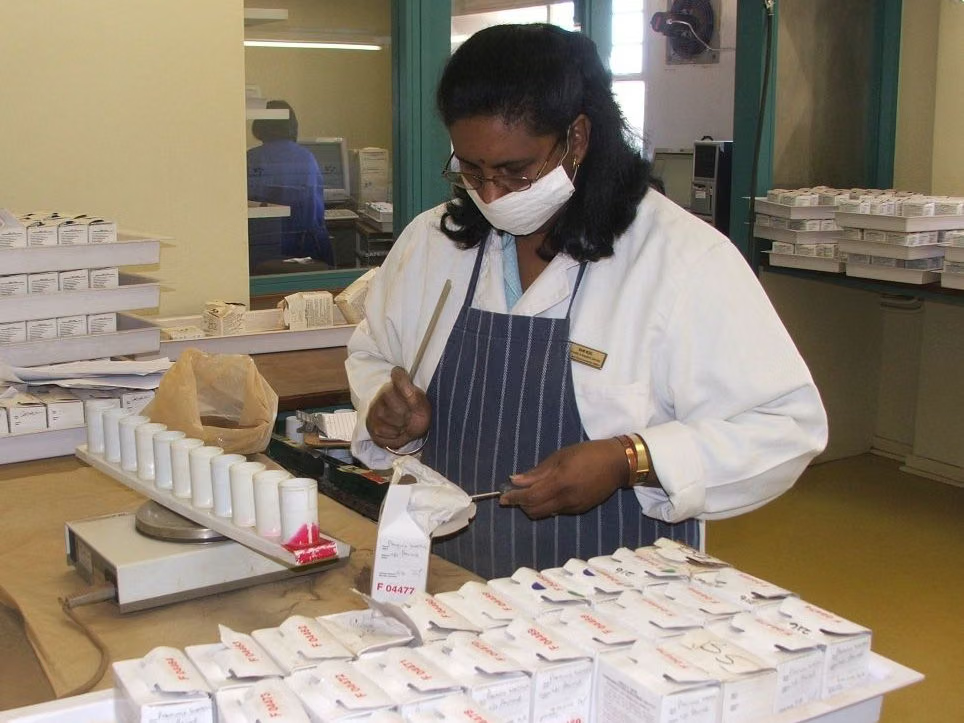
What Is Rubber Identification?
Rubber identification analysis of the polymer type in the rubber composition by infrared spectroscopy (ASTM D3677 / ISO 4650) and pyrolysis; It is an analysis group in which filler, oil and ash ratios are determined by thermogravimetric analysis (ASTM D6370).
Purpose of Rubber Identification
The purpose is to verify specification compliance or supply change by determining what elastomer the rubber part is made of and the composition ratios.
Which Products Is Rubber Identification Applied To?
- Identification of unknown rubber parts
- Supplier change verification
- Damage analysis support work
- Mix consistency control
In Which Sectors Is Rubber Identification Used?
Standards Related to Rubber Identification
- ASTM D3677
- ASTM D6370
- ISO 4650
- ASTM E1131
Rubber Identification Conditions
- Polymer identification
- Comparison of FTIR spectrum after pyrolysis with reference library
- Compound
- Volatile, oil, polymer, carbon black and inorganic filler ratios by TGA
- sulfur/filler
- Supported by elemental analysis and ash determination if necessary
- Specimen
- Taken from the representative region of the part
Equipment for Rubber Identification
- FTIR spectrometer and pyrolysis setup
- Thermogravimetric analyzer
- Muffle furnace and analytical balance
- Reference spectrum library
Sample Requirements for Rubber Identification
- The sample must be free of surface coating and contamination
- In layered products, each layer should be analyzed separately
- Sample quantity must be sufficient for all analyses.
- Sample source and location must be documented
Duration of Rubber Identification
Typically 1–2 weeks.
Rubber Identification Procedure
- 1The sample is cleaned and separated into layers if necessary.
- 2Pyrolysis is applied and FTIR spectrum is taken.
- 3The spectrum is compared with the reference library.
- 4Component ratios are determined by TGA.
- 5If necessary, ash and element analysis is performed.
- 6The results are interpreted together.
Rubber Identification Acceptance Criteria
Identification is a qualitative result; The acceptance criterion is usually compliance with the reference sample or the composition declared in the specification.
Evaluation of Results
In blend rubbers, a single polymer result is misleading; Multiple elastomers may be present in the spectrum, and their ratios are difficult to quantify by FTIR. The result should be given by evaluating FTIR and TGA together, not by a single method.
Rubber Identification Report
- Applied standards
- Sample source and preparation
- FTIR spectrum and library comparison
- TGA component ratios
- Comments and restrictions
Accreditation
EUROLAB holds internationally recognised accreditation obtained from accreditation bodies party to the IAF and ILAC multilateral recognition arrangements, under ISO/IEC 17025 for laboratory testing, ISO/IEC 17020 for inspection and surveillance, and ISO/IEC 17021-1 and ISO/IEC 17065 for system and product certification. This chain ensures the reports and certificates issued are accepted worldwide.
Whether this test can be offered within accredited scope depends on your product and the standard applied; since accreditation is method-based, the scope is confirmed in writing at the quotation stage.
Scope and authorisationsRelated Regulations
- Material and supply specifications
Rubber Testing — What Does This Testing Field Cover?
The section below describes the field that the Rubber Identification test belongs to; the conditions and acceptance criteria of this particular test are given in the sections above. The scope specific to your product is confirmed in writing at the quotation stage.
Rubber testing determines the mechanical behaviour of an elastomer and its resistance to environmental effects. Elastomers are assessed with a different logic from metals and plastics: the real question is not strength but ELASTIC RECOVERY and ageing behaviour.
The function of an elastomer is usually to deform and return: a gasket is compressed and provides a seal, a mount absorbs vibration, a hose expands under pressure. What is measured in the field is therefore not "how many newtons does it withstand" but "how far does it recover after deformation, and how long does it keep doing so".
COMPRESSION SET is therefore the most decisive measurement in the field. If a gasket cannot recover after being held compressed for a long period, it has lost its sealing function even though it has not torn at all. This measurement is made together with temperature, because permanent set increases rapidly with temperature.
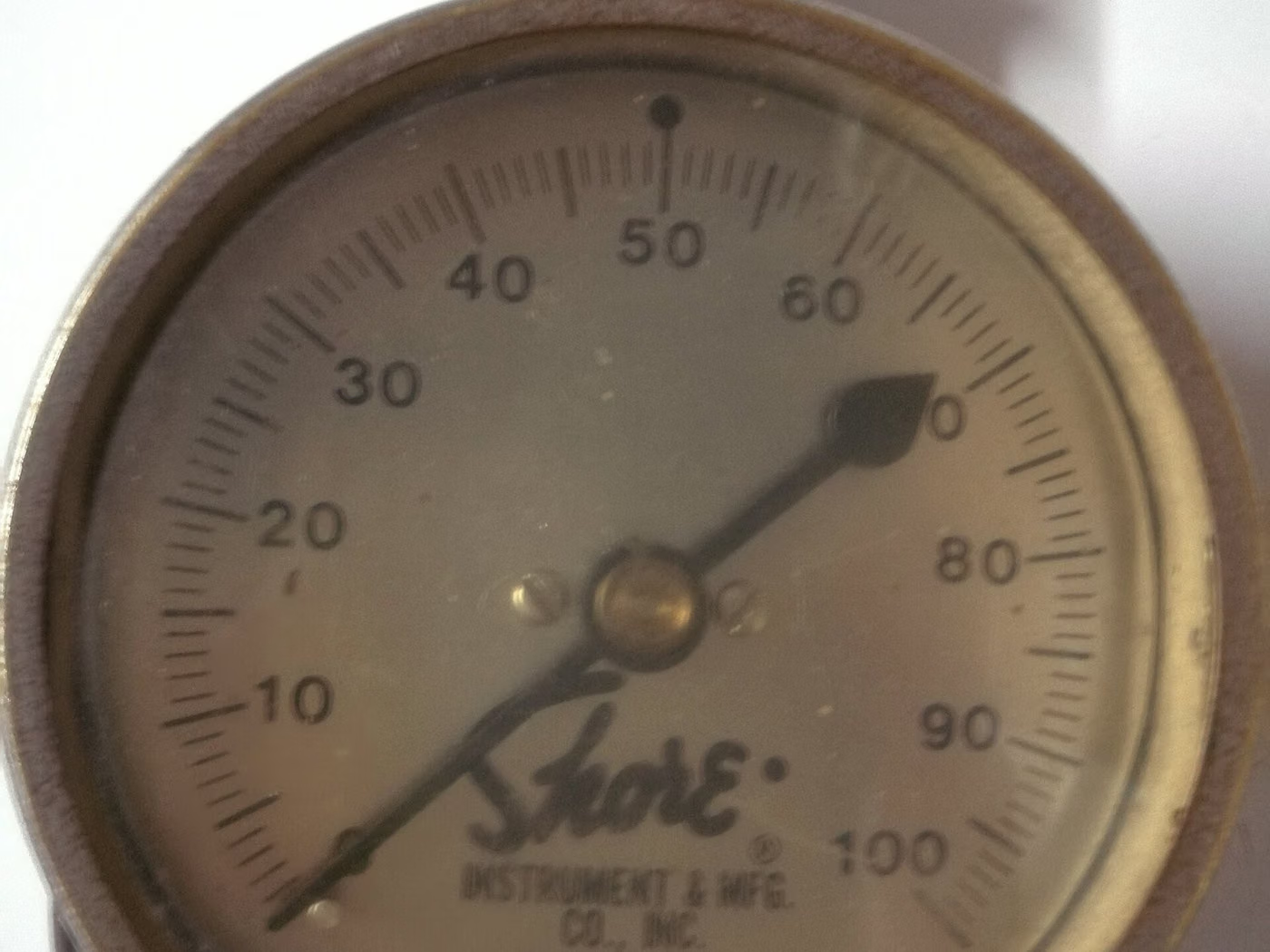
Hardness is the most common measurement in the field, using the Shore A and IRHD scales. It is fast and practical but does not define the material on its own: two different compounds of the same hardness can show completely different ageing and fluid resistance. Hardness is valuable in monitoring compound consistency.
On the environmental resistance side, hot air ageing, swelling in fluids, ozone cracking and low temperature behaviour are examined. FLUID RESISTANCE is particularly critical: the same elastomer behaves differently in fuel, oil, coolant and brake fluid — swelling in one, shrinking in another, hardening in a third. The material is therefore tested with the actual fluid it will contact and at the actual temperature.
Ozone cracking is a silent cause of failure in parts used outdoors. Low concentrations of ozone in the atmosphere create surface cracks in unsaturated elastomers under strain; the part cracks while appearing to carry no load at all. An ozone chamber accelerates and reveals this behaviour.
Low temperature behaviour is the second silent risk. As an elastomer approaches its glass transition temperature it loses elasticity and behaves like a rigid plastic; a gasket starts to leak in the cold. Low temperature recovery and brittleness tests establish this limit.
A change of compound is not a silent change in this family. When filler content, plasticiser or the vulcanisation system changes, mechanical properties and fluid resistance shift together; verification is repeated.
Method groups in this field
Mechanical
Tensile stress-strain properties, tear strength, abrasion (rotating drum and Pico), fatigue and tear propagation.
Hardness
Shore A and IRHD indentation hardness; a rapid indicator of compound consistency.
Permanent deformation
Compression set and stress relaxation; decisive for sealing components.
Fluid resistance
Swelling in fuel, oil, coolant and chemicals, change in mass and volume, loss of hardness and strength.
Ageing
Hot air ageing, ozone cracking, the effects of UV and humidity.
Low temperature
Low temperature recovery, brittleness temperature and flexibility measurements.
Commonly confused in this field
- Hardness does not define the material; two compounds of the same hardness can show different ageing and fluid resistance.
- Fluid resistance must be tested with the actual fluid and the actual temperature; a general claim of oil resistance is insufficient.
- Without measuring compression set, no decision can be made about sealing life.
- Ozone cracking occurs under strain; a test with an unstrained specimen does not show the real risk.
- A change of compound requires verification to be repeated; a supplier may change its compound silently.
- A gasket whose low temperature behaviour is not stated produces unexpected leaks in cold climates.
Which decisions these results support
- Material selection for gaskets and sealing components
- Automotive and industrial component approval
- Verification of a compound change
- Root cause analysis of field leaks and cracking
- Declaration of the operating temperature range and fluid compatibility
Related Tests
Frequently Asked Questions About Rubber Identification
Does FTIR alone tell the exact type of rubber?
It becomes a strong indicator in simple compositions that do not contain mixtures. It is not sufficient on its own in mixed rubbers and densely filled samples; It should be supported by TGA and, if necessary, elemental analysis.