

What Is Viscosity?
Viscosity is a measure of a fluid's resistance to flow. Two distinct quantities are measured: DYNAMIC viscosity is measured directly with a rotational viscometer and is common in cosmetic and chemical products; KINEMATIC viscosity is calculated from the fluid's flow time through a capillary tube and is used in oil, fuel and lubricant analysis.
Purpose of Viscosity
The purpose is to numerically determine the product's consistency and verify batch-to-batch consistency. In cosmetics, consistency shapes consumer perception and applicability; in lubricants, the viscosity grade directly defines fitness for use.
Which Products Is Viscosity Applied To?
- Creams, lotions and gels
- Shampoos and liquid soaps
- Paints, adhesives and chemical mixtures
- Engine and hydraulic oils
- Fuels and base oils
In Which Sectors Is Viscosity Used?
Standards Related to Viscosity
- TS EN ISO 2555 (rotational viscometer — Brookfield type)
- TS EN ISO 3219 (plastics — rotational viscometer)
- TS EN ISO 3104 (petroleum products — kinematic viscosity)
- ASTM D445 (kinematic viscosity of transparent and opaque liquids)
- ASTM D2270 (calculation of viscosity index)
- SAE J300 (engine oil viscosity classification)
Viscosity Conditions
- Temperature
- Viscosity is highly sensitive to temperature; measurement temperature is controlled and reported
- Rotational measurement
- Spindle number and rotation speed determine the result; both are reported
- Kinematic measurement
- Typically at 40 °C and 100 °C; the viscosity index is calculated from these two values
- Dwell
- A defined rest period before measurement for thixotropic products
Equipment for Viscosity
- Rotational viscometer and spindle set
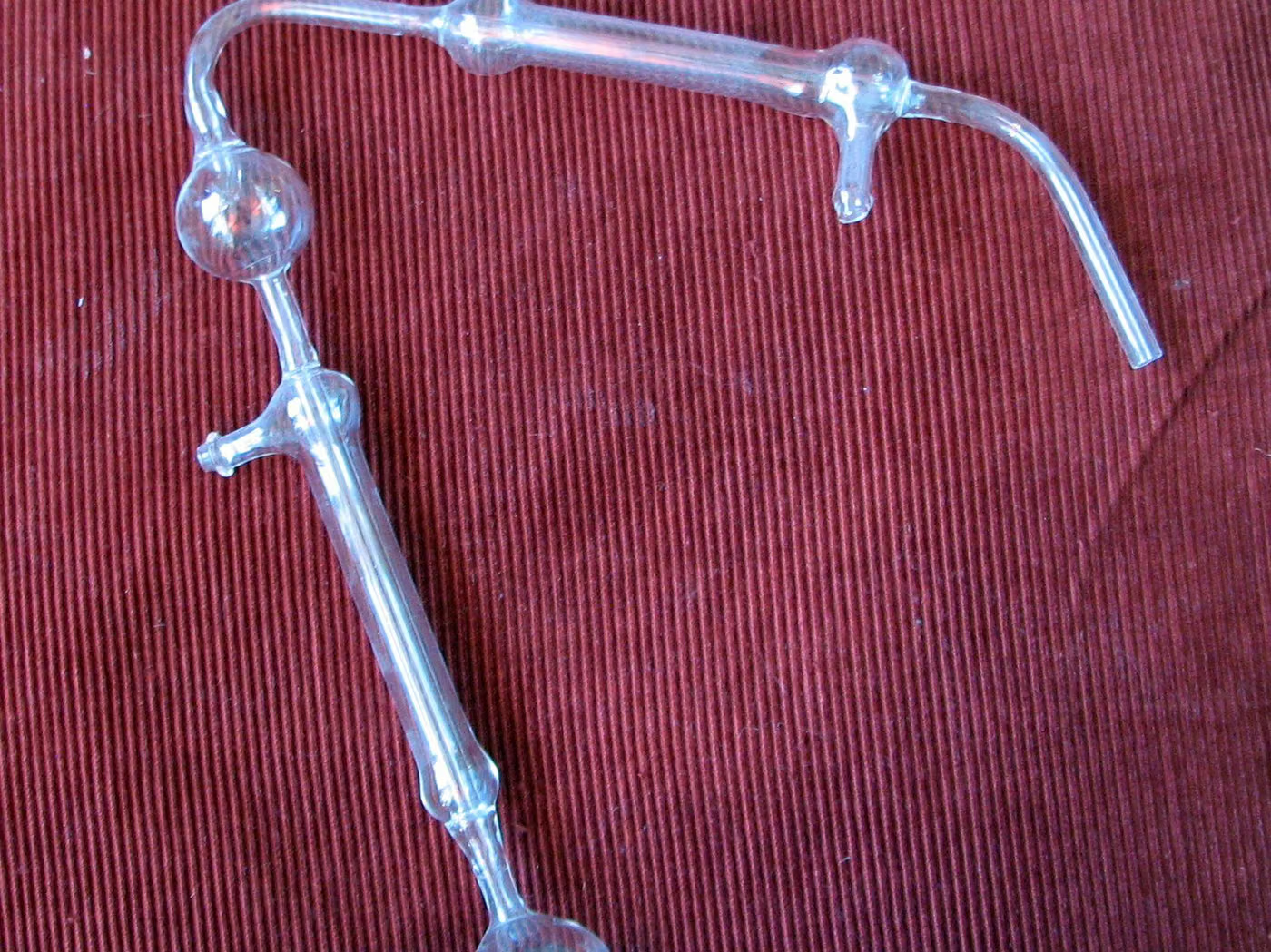
- Kinematic viscosity bath and capillary viscometers
- Temperature-controlled water bath
- Stopwatch and automatic flow-time measurement system
- Rheometer (for the flow curve)
Sample Requirements for Viscosity
- Homogeneous specimen free of air bubbles
- Sufficient volume; the container size must suit the measuring geometry
- For thixotropic products, the specimen must be left to rest after mixing
- Measurement temperature and the target viscosity range, if any, must be provided
Duration of Viscosity
The measurement itself is short; duration is set by the specimen reaching equilibrium at the measurement temperature. A measurement made before thermal equilibrium is invalid.
Viscosity Procedure
- 1The specimen is homogenised and air bubbles removed.
- 2It is brought to equilibrium at the measurement temperature.
- 3The appropriate spindle and speed are selected for the rotational measurement.
- 4It is held until the reading stabilises and recorded.
- 5In kinematic measurement, the specimen's flow time through the capillary tube is measured.
- 6The result is calculated in mPa·s or mm²/s.
Viscosity Acceptance Criteria
The acceptance criterion is the viscosity range in the product specification. For lubricants, classification standards such as SAE J300 define limit values for the viscosity grade, and the declared grade must be met.
Evaluation of Results
A rotational value given without stating spindle and speed cannot be compared: for non-Newtonian products, viscosity depends on shear rate and gives a different result at a different speed. Most cosmetic products are non-Newtonian, so the measurement condition is an integral part of the result.
Viscosity Report
- Specimen identification
- Measurement temperature
- Spindle and rotation speed for the rotational measurement
- Measured viscosity value and unit
- 40 °C and 100 °C values and the viscosity index for the kinematic measurement
- Comparison against the specification
Accreditation
EUROLAB holds internationally recognised accreditation obtained from accreditation bodies party to the IAF and ILAC multilateral recognition arrangements, under ISO/IEC 17025 for laboratory testing, ISO/IEC 17020 for inspection and surveillance, and ISO/IEC 17021-1 and ISO/IEC 17065 for system and product certification. This chain ensures the reports and certificates issued are accepted worldwide.
Whether this test can be offered within accredited scope depends on your product and the standard applied; since accreditation is method-based, the scope is confirmed in writing at the quotation stage.
Scope and authorisationsRelated Regulations
- Fuel and LPG market technical regulations (EPDK)
- EU 2009/30/EC (fuel quality directive)
- Communiqués on the placing of lubricating oils on the market
Petroleum, Fuel and Oil Analysis — What Does This Testing Field Cover?
The section below describes the field that the Viscosity test belongs to; the conditions and acceptance criteria of this particular test are given in the sections above. The scope specific to your product is confirmed in writing at the quotation stage.
Petroleum, fuel and oil analysis determines whether a fluid meets its specification and how it behaves in use. Standards in this field consist largely of ASTM and EN publications, with a separate method defined for each parameter.
What distinguishes this family is that product specifications are written as PARAMETER LISTS. Specifications such as EN 590 (diesel), EN 228 (petrol), EN 14214 (biodiesel) and ISO 8217 (marine fuels) state for each parameter both the limit and the method by which that limit is to be measured. If the method changes the result may change too; the specification therefore binds the method as well, and the use of an "equivalent method" is possible only where the specification allows it.
On the fuel side, parameters describe three different properties of the product. Physical properties (density, viscosity, distillation curve, pour point, cloud point) determine pumpability and cold weather behaviour. Combustion properties (cetane number, octane number, calorific value) indicate performance in the engine. Contaminant and stability parameters (sulphur, water, sediment, oxidation stability, copper strip corrosion) affect both emissions and storage life.
Oil analysis is carried out for two different purposes and the two must not be confused. Analysis of NEW oil verifies the conformity of the product to its specification: viscosity index, additive content, flash point. Analysis of USED oil, by contrast, is done to read the condition of the machine — elemental analysis shows wear metals (iron, copper, chromium, aluminium), water and fuel contamination point to leaks, and oxidation and acid number determine the remaining life of the oil.
Used oil analysis is therefore a PREDICTIVE MAINTENANCE tool. The trend of samples taken at regular intervals is followed; it is the trend rather than a single result that is meaningful. Iron levels climbing over the course of months allow intervention before a failure occurs.
Marine fuels are the most active sub-body of the field. The global tightening of sulphur limits has brought new blended fuels onto the market; for these fuels stability, compatibility (whether two fuels form deposits when mixed) and catalytic fines content have become critical parameters.
Sampling is part of the result in this family too. A sample taken from the bottom of a tank shows different water and sediment content from one taken from the upper level; in commercial deliveries the sampling point and method are set by contract.
Method groups in this field
Physical properties
Density (oscillating U-tube and hydrometer), kinematic viscosity, distillation, pour and cloud point, flash point.
Combustion properties
Cetane number and cetane index, research and motor octane number, calorific value.
Sulphur and elements
Sulphur by UV fluorescence and XRF; elemental analysis and additive content by ICP.
Stability and corrosion
Oxidation stability, copper strip corrosion, water and sediment, filter blocking tendency.
Composition analysis
Boiling range distribution by gas chromatography, hydrocarbon types (FIA), benzene and aromatics content, fatty acid methyl ester content.
Used oil
Wear metals, contamination (water, fuel, soot), oxidation, acid and base number, change in viscosity.
Commonly confused in this field
- The specification binds the method as well; a result measured by a different method may not be accepted for specification conformity.
- A single result on used oil is not meaningful; the decision is made on the trend.
- The sampling point determines the result; the tank bottom and the upper level show different water and sediment.
- The cetane index is a calculated value and is not the same thing as a measured cetane number.
- Fuels blended with biodiesel behave differently in terms of storage life and microbial growth; classical diesel parameters are not sufficient.
- Mixing marine fuels from different sources can cause deposits; compatibility is assessed separately.
Which decisions these results support
- Conformity of a fuel lot to specification and commercial delivery
- Predictive maintenance decisions based on used oil analysis
- Determining parameters for customs and tax classification
- Quality verification after storage, blending and transport
- Compliance with sulphur limits under emissions legislation
Related Tests





Frequently Asked Questions About Viscosity
We got different viscosities from different labs — which is correct?
Usually both are correct but the measurement conditions differ. For non-Newtonian products, the result changes with spindle, speed and temperature. All three parameters must match for a valid comparison.
What is the viscosity index?
It is a number showing how much an oil's viscosity changes with temperature, calculated from the 40 °C and 100 °C measurements per ASTM D2270. A higher index means viscosity changes less with temperature.