
What Is Steel?
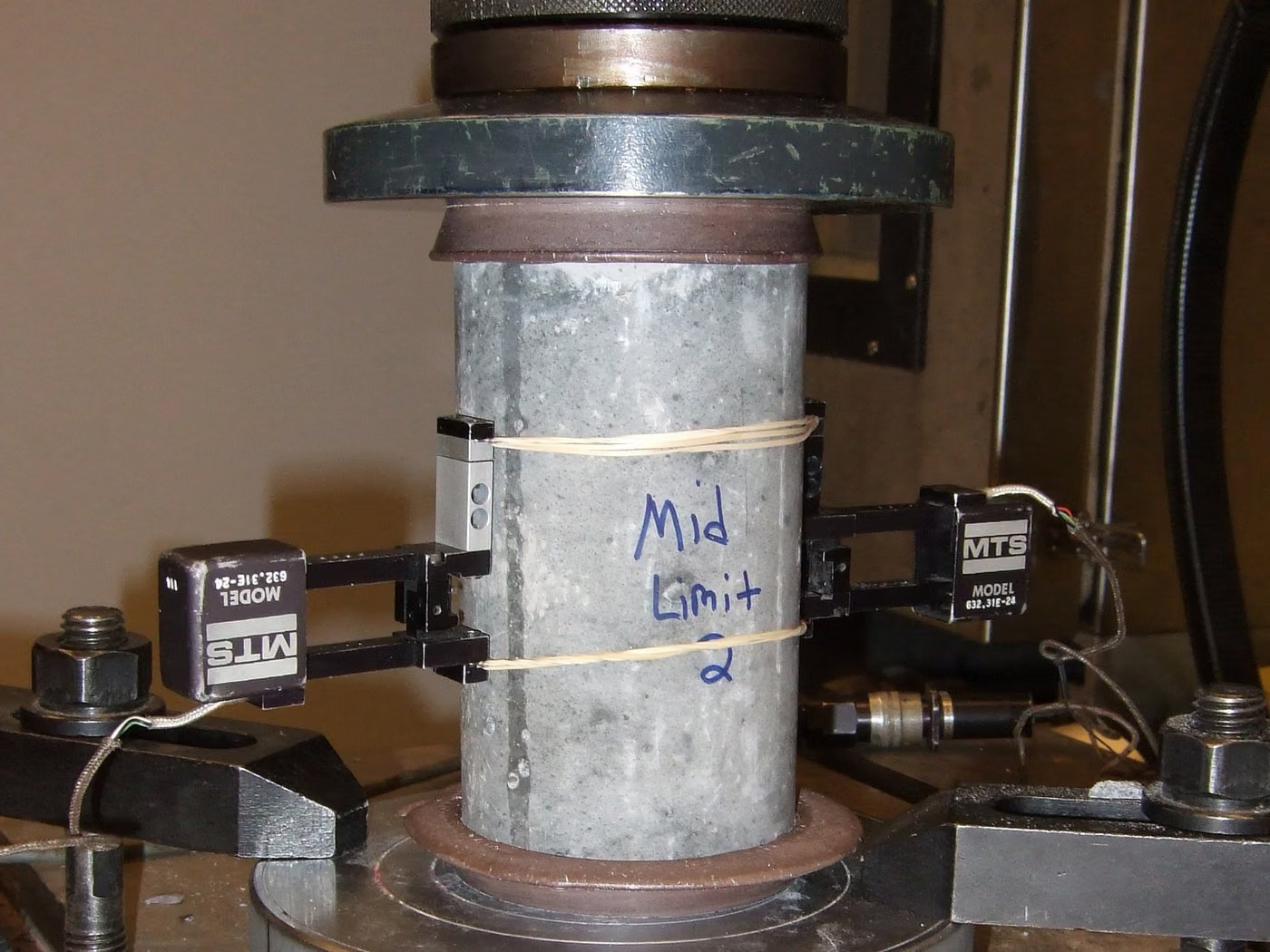
Structural steel tests are the determination of the mechanical and chemical properties of the steel used in carrier elements. Tensile test (EN ISO 6892-1) gives yield and tensile strength and elongation; The Charpy impact test (EN ISO 148-1) shows the brittleness behavior and the bending test shows the formability. In reinforcing steel, rib geometry and fatigue properties are also evaluated.
Purpose of Steel
The aim is to verify that the steel complies with the declared quality class and that it will exhibit the anticipated behavior in the carrier system.
Which Products Is Steel Applied To?
- Hot rolled structural steel profiles
- reinforced concrete reinforcing steel
- prestressing steel
- Steel sheets and plates
- Welded wire mesh steel
In Which Sectors Is Steel Used?
Standards Related to Steel
- TS EN ISO 6892-1 (metallic materials — tensile test, room temperature)
- TS EN ISO 148-1 (Charpy pendulum impact test)
- TS EN ISO 7438 (bending test)
- TS EN 10025 series (hot rolled structural steels)
- TS EN 10080 (reinforced concrete reinforcing steel)
- TS EN 1090-1/-2 (manufacturing and conformity assessment of steel structures)
Steel Conditions
- Sample preparation
- Sample geometry defined in the standard; heating is prevented during processing
- Tensile speed
- Stress or strain rate defined in the standard
- pulse temperature
- Charpy test is carried out at the temperature specified by the quality class.
- Specimen orientation
- Sample orientation relative to rolling direction is recorded
Equipment for Steel
- Tensile tester and extensometer
- Charpy pendulum impact device and cooling bath
- Bending test setup
- Optik emisyon spektrometresi (kimyasal analiz)
- hardness measuring device
Sample Requirements for Steel
- Samples in number and geometry defined in the standard
- Material quality, manufacturer and casting number must be declared
- Diameter and rib type should be specified in the reinforcement
- Sample rolling direction should be marked
Duration of Steel
Tensile and bending tests are rapid. If the Charpy experiment will be performed at low temperature, conditioning time is added. Chemical analysis results on the same day.
Steel Procedure
- 1Samples are prepared in standard-defined geometry.
- 2The chemical composition is determined by spectrometry.
- 3Tensile test is applied; yield, tensile strength and elongation are measured.
- 4Formability is evaluated by bending test.
- 5Charpy samples are brought to a defined temperature and broken.
- 6The results are compared with the requirements in the product standard.
Steel Acceptance Criteria
TS EN 10025 and TS EN 10080 define the minimum yield strength, tensile strength, elongation, impact energy and chemical composition limits for each quality class. Reinforcement also has tensile/yield ratio and ductility class conditions. Within the scope of (EU) 305/2011, the test result is not a pass/fail decision, but the performance value to be announced in the Declaration of Performance (DoP). The national regulations and project specifications of the country where the structure where the product will be used determine which performance level is sufficient.
Evaluation of Results
In reinforcing steel, the shrinkage/yield ratio and total elongation are more decisive than strength alone in terms of earthquake behavior: a high-strength but not ductile reinforcement produces brittle behavior in the structure. Therefore, ductility class is evaluated separately.
Steel Report
- Material quality, manufacturer and casting number
- Sample geometry and orientation
- Chemical analysis results
- Yield strength, tensile strength and elongation
- Charpy impact energies and experimental temperature
- Bending test result
Accreditation
EUROLAB holds internationally recognised accreditation obtained from accreditation bodies party to the IAF and ILAC multilateral recognition arrangements, under ISO/IEC 17025 for laboratory testing, ISO/IEC 17020 for inspection and surveillance, and ISO/IEC 17021-1 and ISO/IEC 17065 for system and product certification. This chain ensures the reports and certificates issued are accepted worldwide.
Whether this test can be offered within accredited scope depends on your product and the standard applied; since accreditation is method-based, the scope is confirmed in writing at the quotation stage.
Scope and authorisationsRelated Regulations
- Construction Products Regulation (EU) 305/2011
Construction Materials Testing — What Does This Testing Field Cover?
The section below describes the field that the Steel test belongs to; the conditions and acceptance criteria of this particular test are given in the sections above. The scope specific to your product is confirmed in writing at the quotation stage.
Construction materials testing shows whether a product performs the function it takes on within the structure. A wide field is gathered in this family, from the compressive strength of concrete to the thermal transmittance of glass, from sieve analysis of aggregate to the watertightness of windows.
What sets this family apart from the others is that the result turns directly into a REGULATORY DECLARATION. For products covered by construction products legislation a declaration of performance (DoP) is mandatory, and every essential characteristic in the declaration rests on a test result. Reaction-to-fire class, thermal conductivity, compressive strength, water permeability and release of dangerous substances are declared in this way. The declaration is a legal text carrying the manufacturer's signature; the test record behind it is the first document requested in an inspection.
The second distinguishing feature is that the product is assessed over its SERVICE LIFE. An electronic device runs for five years; a building component stays in place for fifty and is exposed throughout that time to freeze-thaw cycles, UV, moisture, chemical attack and load. Durability tests (freeze-thaw, carbonation, alkali-silica reaction, ageing) therefore carry as much weight in this field as classical strength tests.
Tests are separated by material type and each group has its own set of standards: cement and concrete, aggregate, masonry units, wood-based panels, thermal insulation, glass and glazing units, ceramic tiles, floor coverings, screeds, joint fillers and coating systems. Where the product will be installed determines which set applies — the same panel is assessed against different standards on a wall and on a floor.
Factory production control (FPC) is a continuous component of the field. CE marking on a construction product is not obtained with a single test and then left; the manufacturer must set up a system showing that it monitors production consistency, takes samples regularly and intervenes when there is a deviation. Depending on the product group, this system may have to be audited by a notified body.
Site testing is a separate body of work. In the laboratory the product is approved; on site it is checked that the product really is of the declared class and that it has been applied correctly. Fresh concrete slump, cylinder sampling, aggregate sieve analysis and in-situ watertightness tests fall within this scope.
Method groups in this field
Concrete and cement
Slump, air content and unit weight in fresh concrete; compressive and flexural strength, water permeability and freeze-thaw resistance in hardened concrete. For cement, compressive strength, setting time and composition analysis.
Aggregate
Sieve analysis, particle shape, Los Angeles abrasion resistance, freeze-thaw, alkali reactivity and density/water absorption.
Thermal and energy performance
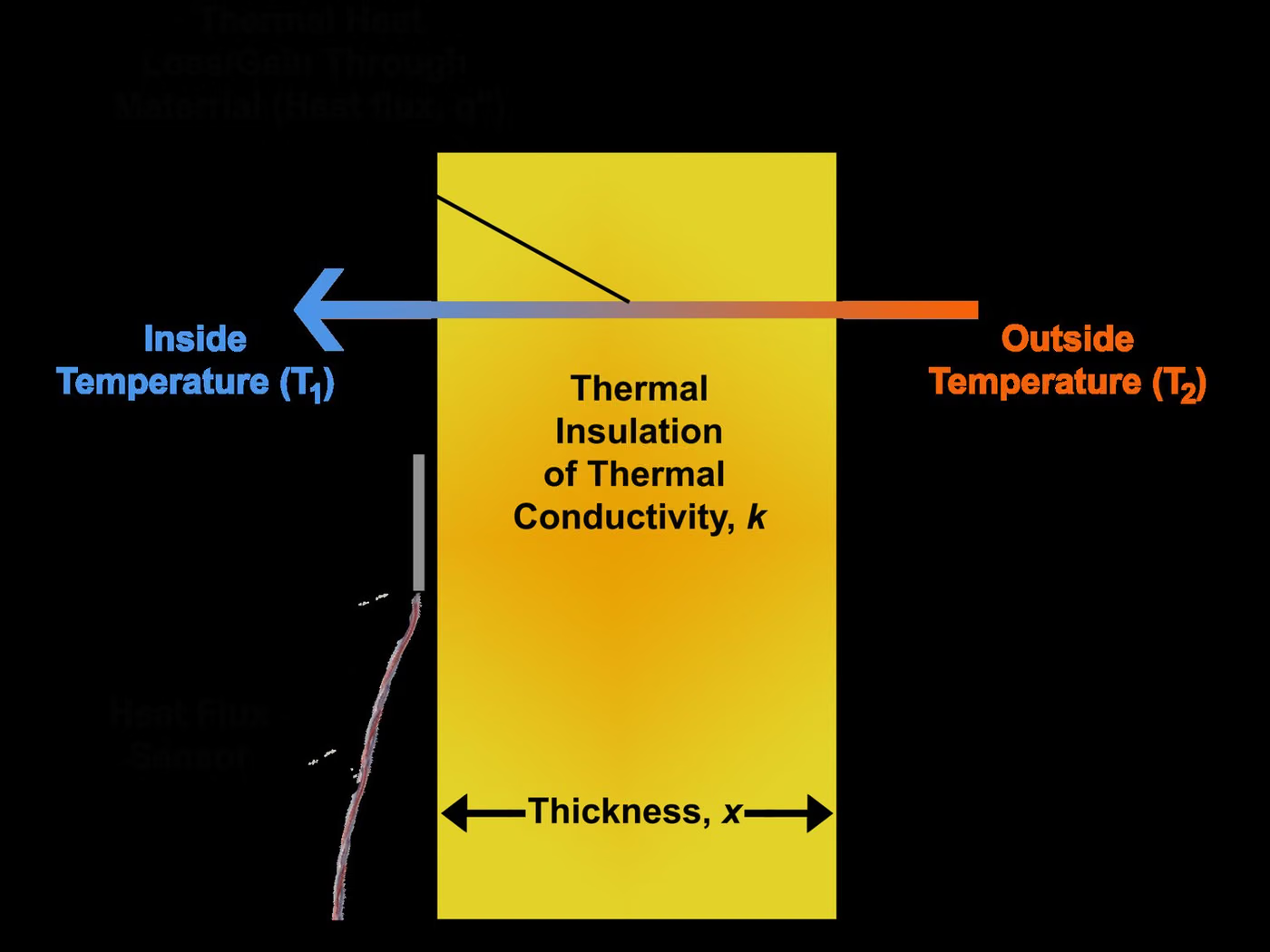
Thermal conductivity and thermal resistance, calculation of thermal transmittance (U value) in glazing units, solar energy transmittance.
Facade and joinery
Air permeability, watertightness and wind load resistance in windows and doors; fire performance in facade systems.
Fire performance
Reaction-to-fire classification and fire resistance tests; these are two separate concepts and are addressed by separate standards.
Masonry, tile and flooring
Compressive strength, water absorption, abrasion resistance, slip resistance, stain and chemical resistance.
Emissions and dangerous substances
Formaldehyde release from wood-based panels, VOC emissions from construction products, leaching behaviour of aggregates and waste.
Commonly confused in this field
- REACTION to fire and RESISTANCE to fire are different concepts: one describes the material's contribution to a fire, the other how long a component holds the fire back.
- A declaration of performance is not a certificate; it is the manufacturer's declaration. Notified body involvement varies with the product group and the assessment system.
- A test result is valid for the mounting arrangement in which the product was tested. A different substrate, a different thickness or a different joint detail may require reassessment.
- A site sample and a laboratory sample are not the same thing. A concrete cylinder taken on site also reflects application and curing conditions; it does not replace product approval.
- ASTM and EN construction standards measure similar quantities with different specimens and scales; the results cannot be converted one-to-one.
Which decisions these results support
- Declaration of performance (DoP) and CE marking
- Establishing and maintaining the factory production control system
- On-site conformity control of concrete, aggregate and workmanship
- Meeting fire and energy performance requirements
- Verifying the technical items in the project and tender specification
Related Tests


Frequently Asked Questions About Steel
Should we have the reinforcement coming to the construction site tested?
Even if the product is certified, site acceptance tests are a common and recommended practice. In particular, verification based on casting number reveals incompatibilities between the document and the delivered material.
Are welded joints also included in these experiments?
It does not enter. Welded connections are subject to separate tests (welding procedure approval, non-destructive testing) within the scope of EN 1090-2. Base material testing does not indicate weld quality.