
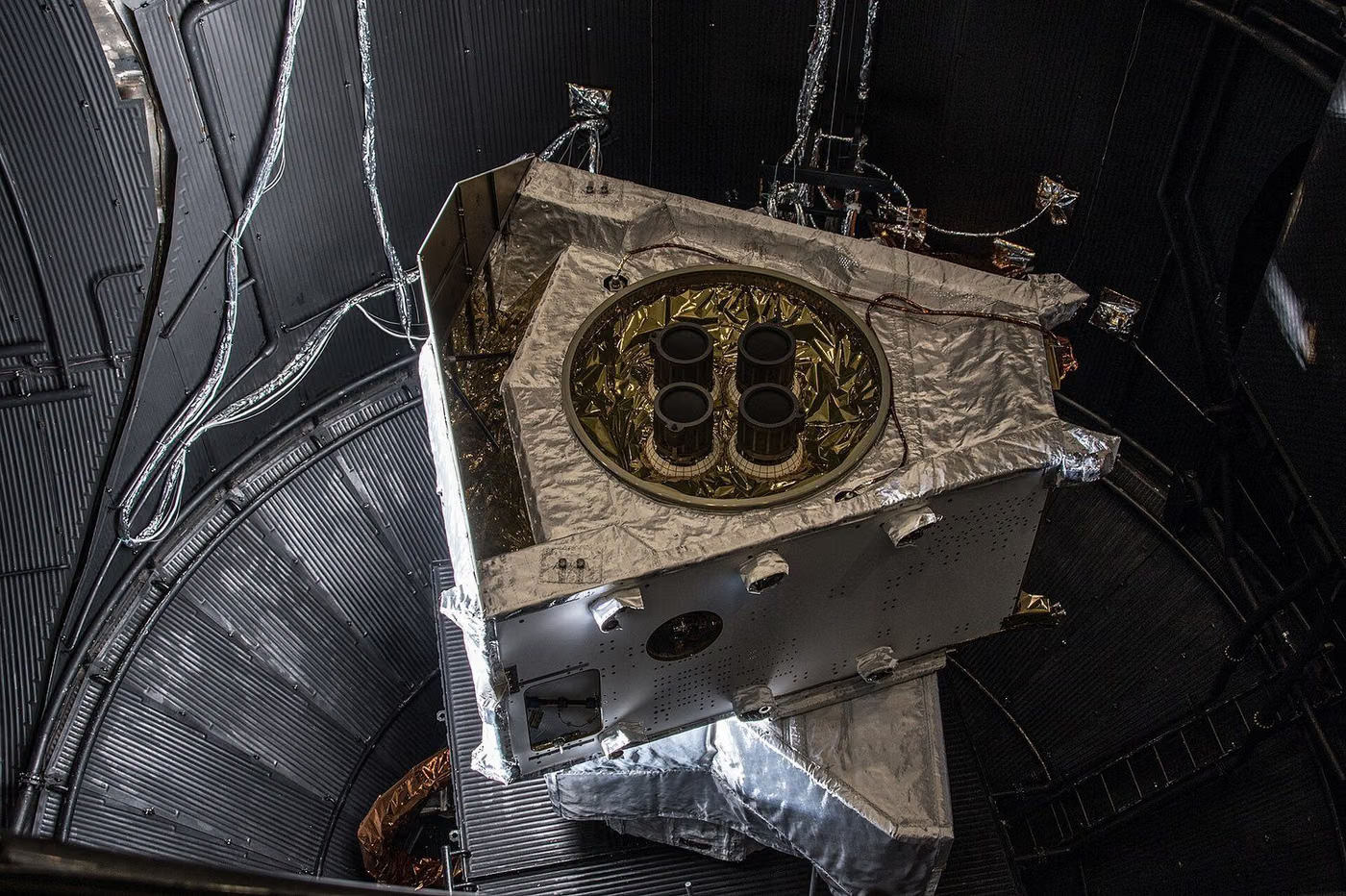
What Is High Temperature — IEC 60068-2-2?
The high temperature test is an environmental test in which the sample is held at a defined high temperature for a specific duration to assess function and structural integrity. It is defined as dry heat in IEC 60068-2-2.
Purpose of High Temperature — IEC 60068-2-2
The purpose is to verify that the product remains safe and functional at the highest temperature it will encounter in service or storage.
Which Products Is High Temperature — IEC 60068-2-2 Applied To?
- Electronic devices and control units
- Automotive and rail equipment
- Battery systems
- Lighting fixtures
- Cables and connectors
In Which Sectors Is High Temperature — IEC 60068-2-2 Used?
Standards Related to High Temperature — IEC 60068-2-2
- IEC 60068-2-2high temperature (dry heat) test test
High Temperature — IEC 60068-2-2 Conditions
- Temperature
- Defined in the product standard; typical ranges 55, 70, 85, 125 °C
- Time
- Defined in the specification; typically 16, 72 or 96 hours
- Operating condition
- Defined separately as operational or off (storage)
- Heating rate
- Controlled increase rate defined in the standard
Equipment for High Temperature — IEC 60068-2-2
- Programmable temperature chamber
- Multi-channel temperature recording
- Function-monitoring rig
- Power supply and load simulator
Sample Requirements for High Temperature — IEC 60068-2-2
- The sample must be installed in its typical mounting configuration
- Function must be checked before the test
- Free air circulation must be provided in the chamber
- Thermocouple positions must be defined for critical-point temperatures
Duration of High Temperature — IEC 60068-2-2
Depends on the dwell time defined in the specification; typically one to four days.
High Temperature — IEC 60068-2-2 Procedure
- 1The sample is placed in the chamber and thermocouples are connected.
- 2An initial function check is performed.
- 3The temperature is raised to the target value at the defined rate.
- 4Temperature is held for the defined duration; function is monitored in the operational test.
- 5A controlled return to ambient temperature is made.
- 6A final function check and visual inspection are carried out.
High Temperature — IEC 60068-2-2 Acceptance Criteria
The acceptance criterion is defined in the product standard: continuity of function, surface temperature not exceeding the limit, and no structural deformation.
Evaluation of Results
Whether functional loss occurs during or after the test is recorded separately. Deformation and colour change in plastic parts are assessed.
High Temperature — IEC 60068-2-2 Report
- Standard applied
- Temperature, duration and operating condition
- Thermocouple positions and measured temperatures
- Function status and visual inspection
Accreditation
EUROLAB holds internationally recognised accreditation obtained from accreditation bodies party to the IAF and ILAC multilateral recognition arrangements, under ISO/IEC 17025 for laboratory testing, ISO/IEC 17020 for inspection and surveillance, and ISO/IEC 17021-1 and ISO/IEC 17065 for system and product certification. This chain ensures the reports and certificates issued are accepted worldwide.
Whether this test can be offered within accredited scope depends on your product and the standard applied; since accreditation is method-based, the scope is confirmed in writing at the quotation stage.
Scope and authorisationsRelated Regulations
- LVD 2014/35/EU
- Automotive and rail equipment specifications
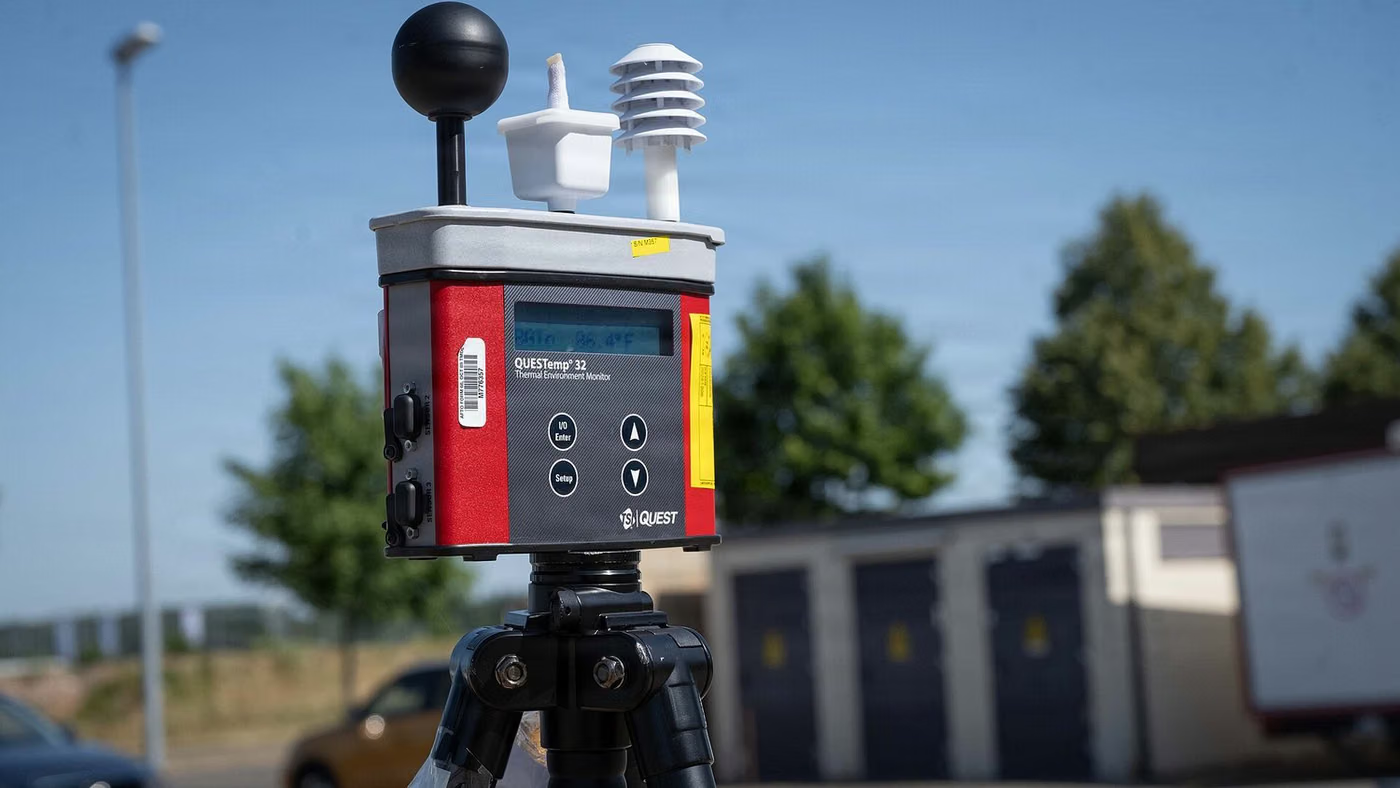
Environmental and Climatic Testing — What Does This Testing Field Cover?
The section below describes the field that the High Temperature test belongs to; the conditions and acceptance criteria of this particular test are given in the sections above. The scope specific to your product is confirmed in writing at the quotation stage.
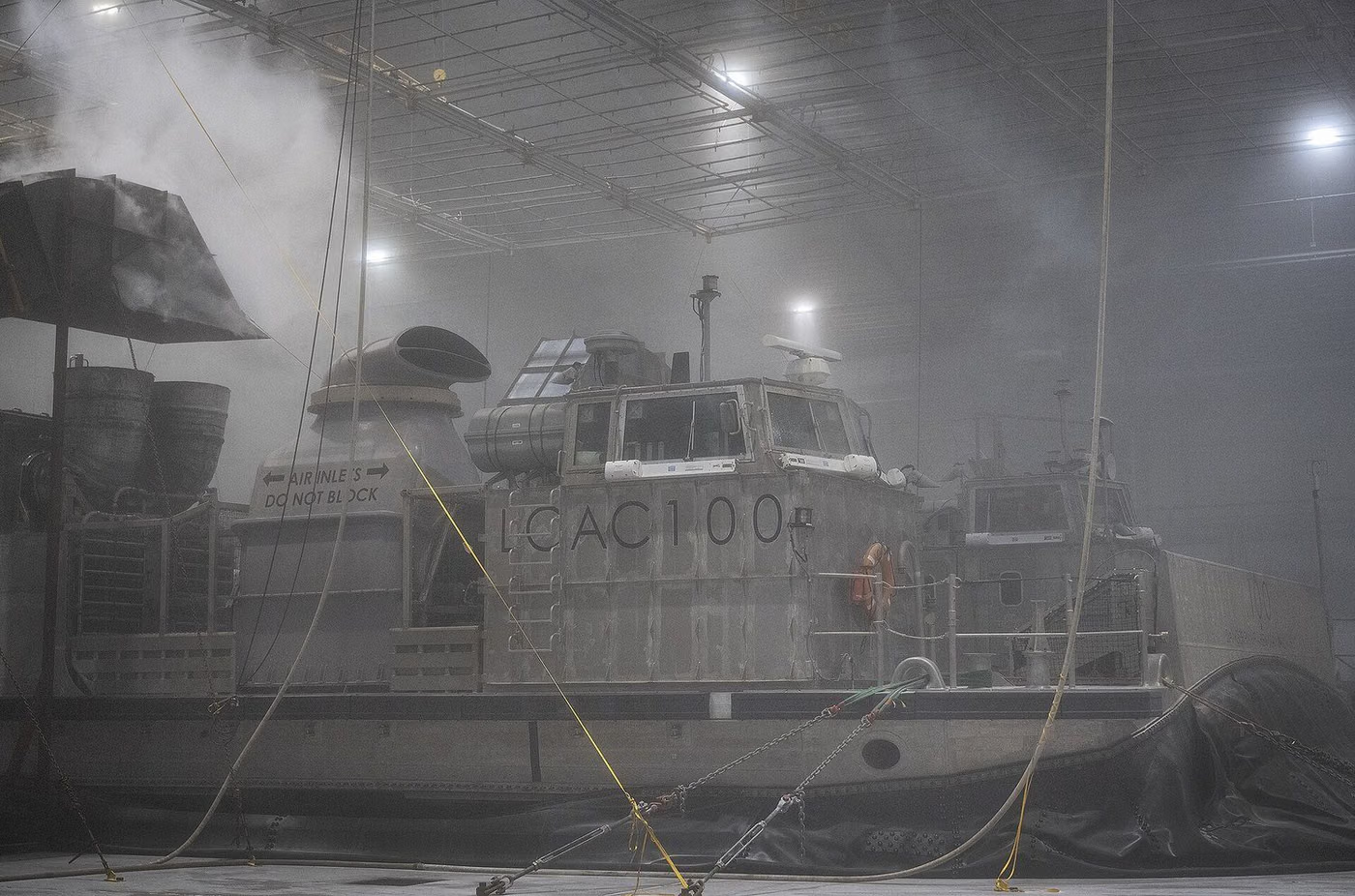
Environmental testing shows whether a product withstands ambient factors such as temperature, humidity, pressure, solar radiation, dust, water and corrosive atmospheres. The aim is not to break the product but to bring forward, in ACCELERATED form, the conditions it will meet over its life.
Test profiles are derived from the product's real exposure, and that derivation is the actual engineering work of the field. A device operating in an enclosed office and one mounted on a pole are not tested with the same profile. The IEC 60068 series defines general methods, MIL-STD-810 military profiles, RTCA DO-160 aviation profiles and the ISO 16750 series location-based automotive profiles. A test applied without a profile selection produces both unnecessary cost and false confidence.
Temperature tests simulate three separate phenomena and all three produce different failure modes. Steady high/low temperature tests whether the material can operate at that temperature. Temperature CYCLING creates fatigue at joints between materials with different expansion coefficients — solder cracks appear here. Thermal SHOCK intensifies this effect through an abrupt transition.
There is a distinction in humidity testing too. Steady damp heat shows the diffusion of moisture into the material and its effect on insulation properties. Cyclic damp heat creates condensation: water droplets form on the cooling surface, and this is far more aggressive than dry humidity. Water ingress into enclosures, increased leakage current and corrosion usually appear in the cyclic test.
Dust and water protection is a separate body of work and is expressed by the IP code. The point to note here is that an IP test is not a DURABILITY test: it shows that protection is provided under defined and short-duration conditions, not resistance to long-term immersion or pressure washing.
The most common mistake in this family is translating a test result directly into a LIFE PREDICTION. Accelerated tests are designed for comparison and design verification; a reliable conversion between hours in a chamber and years in the field can only be established with a material-specific acceleration model calibrated against field data.
Functional monitoring determines the value of the test. Keeping a product in a temperature chamber and then switching it on does not show what happened DURING the test. In critical applications the product is operated throughout the test and its parameters are monitored; intermittent faults that appear and disappear can only be caught this way.
Method groups in this field
Temperature
Dry heat, cold, change of temperature and thermal shock; steady and cyclic profiles.
Humidity
Steady damp heat and cyclic damp heat; cycles with condensation are more aggressive.
Water and dust
IP protection tests: dripping, spraying, jets, immersion and dust tightness.
Radiation and ageing
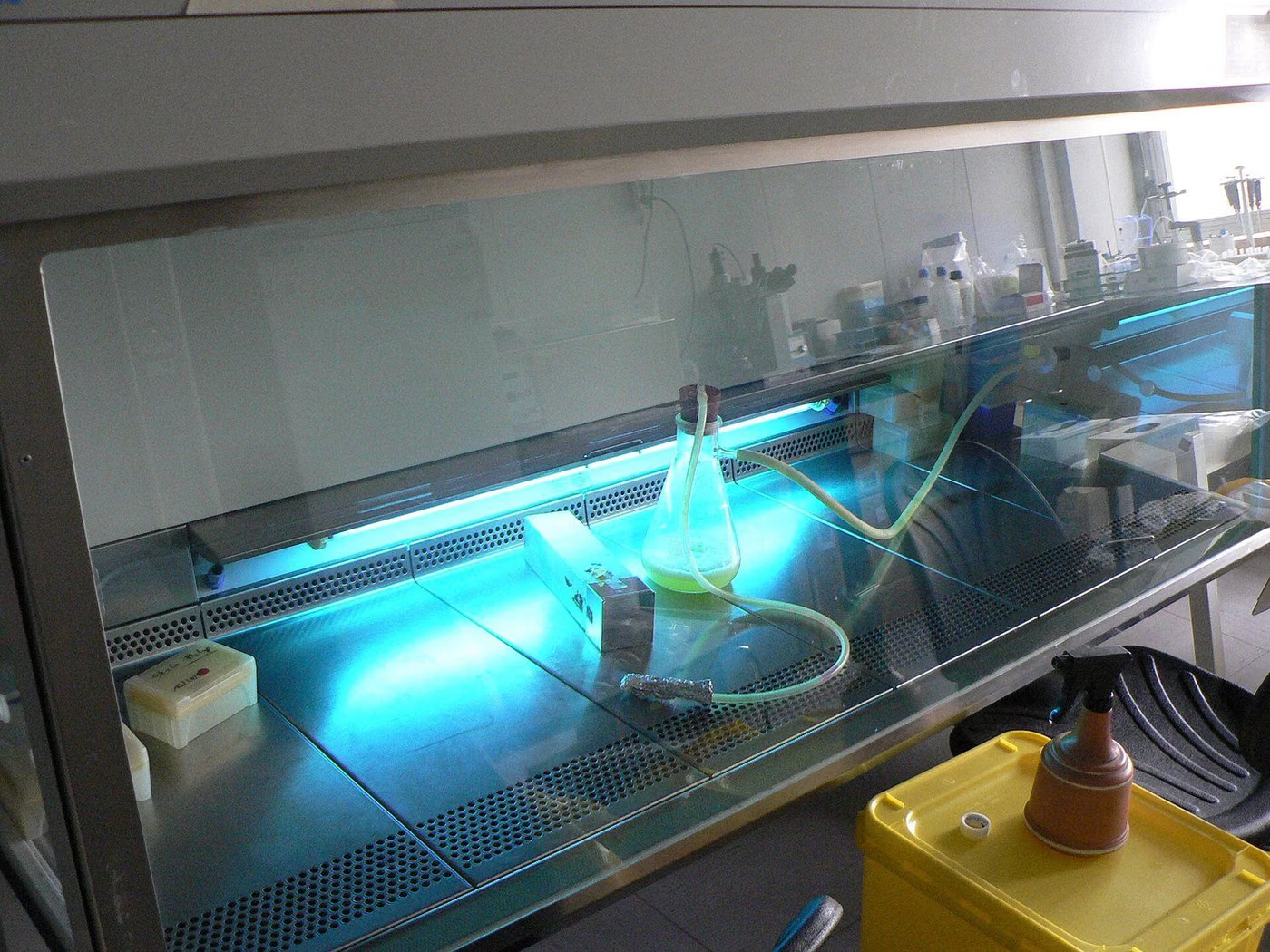
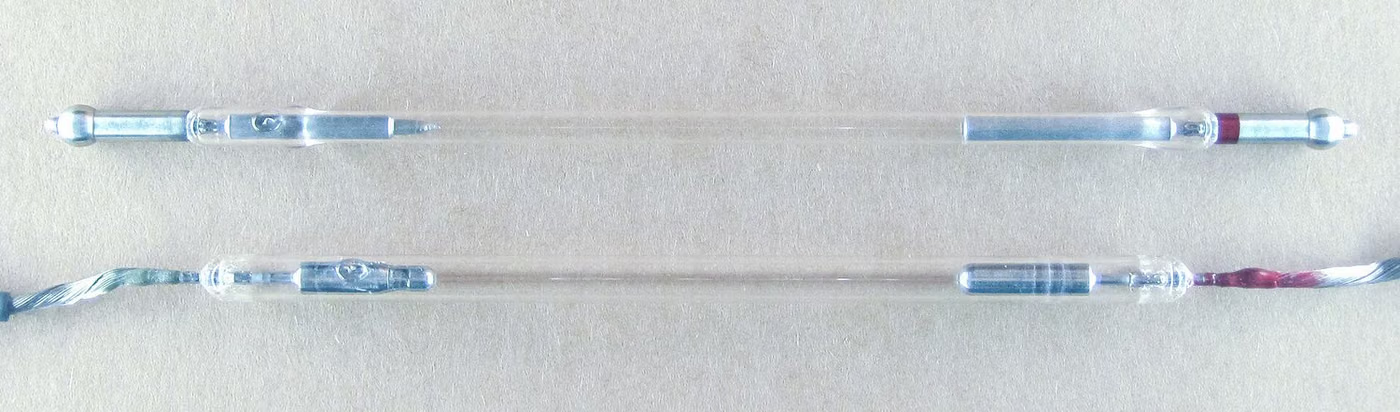
Accelerated ageing by xenon arc and fluorescent UV, solar radiation simulation.
Pressure and altitude
Low pressure (altitude) and rapid pressure change tests.
Corrosive atmosphere
Salt spray, mixed flowing gas corrosion (simulating industrial atmospheres), mould and fungus tests.
Commonly confused in this field
- Test duration cannot be converted into field life; a conversion made without an acceleration model is misleading.
- Temperature cycling and steady temperature produce different failure modes; neither replaces the other.
- If the product is not operated during the test, intermittent faults remain invisible; functional monitoring determines the value of the test.
- IP protection is not evidence of durability; it shows protection under defined and short-duration conditions.
- A test applied without profile selection both increases cost and gives false confidence.
- The mounting and orientation arrangement affects the result; the report must document it.
Which decisions these results support
- Design verification and qualification
- Declaration of the protection class and operating temperature range
- Reproducing field failures in the laboratory and root cause analysis
- Supplier component approval
- Decisions on warranty period and storage conditions
Related Tests

Frequently Asked Questions About High Temperature — IEC 60068-2-2
According to which standard is High Temperature made?
High Temperature is executed in scope IEC 60068-2-2, ISO 16750-4, MIL-STD-810 Method 501 and RTCA DO-160 Section 4. The limit values and acceptance criteria to be applied are defined in the product standard; The version valid for your product is confirmed in writing at the offer stage.
Which products does High Temperature apply to?
Mainly applied to Electronic devices and control units, Automotive and rail equipment, Battery systems, Lighting fixtures and Cables and connectors. Whether your product is included in the scope is determined by examining its technical specifications and intended use.
Under what conditions is High Temperature done?
The determining parameters are: Temperature — Defined in the product standard; typical ranges 55, 70, 85, 125 °C, Time — Defined in the specification; typically 16, 72 or 96 hours and Operating condition — Defined separately as operational or off (storage). The full terms are in the "Test Conditions" section on the page and vary depending on the product standard.
What kind of sample is needed for High Temperature?
The sample must be installed in its typical mounting configuration, Function must be checked before the test and Free air circulation must be provided in the chamber. The number of samples is determined according to the product standard and the scope to be reported.
How long does High Temperature take?
Depends on the dwell time defined in the specification; typically one to four days. This duration belongs to the experiment itself; sample preparation, queuing and reporting are also evaluated. A realistic schedule for your product is given in the offer.
What is the High Temperature result called "appropriate"?
The acceptance criterion is defined in the product standard: continuity of function, surface temperature not exceeding the limit, and no structural deformation.