
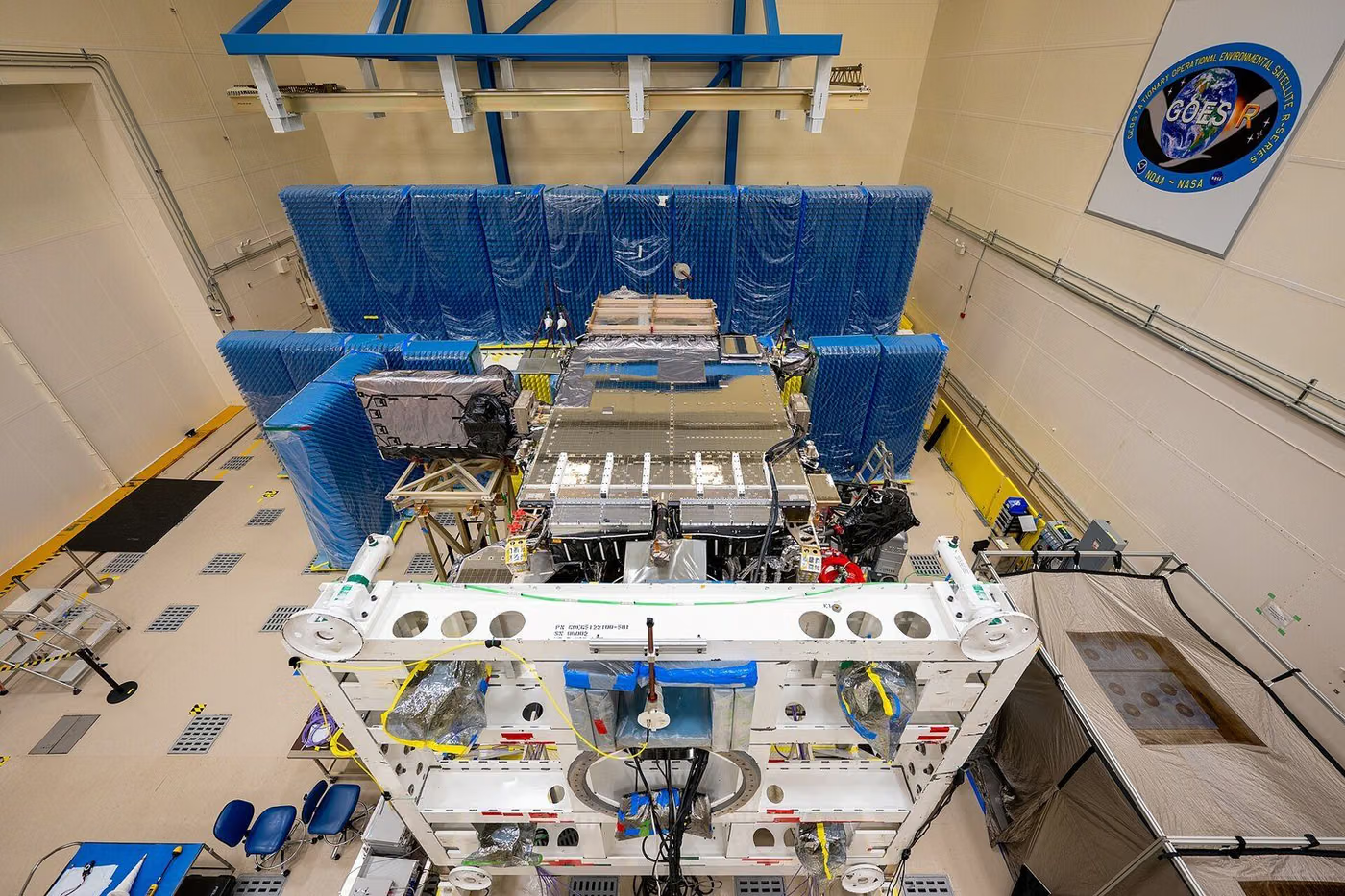
What Is UNECE R10 EMC?
UNECE R10 is a technical regulation governing the electromagnetic compatibility of vehicles and the electrical/electronic subsystems fitted to them. It covers both the interference emitted by the vehicle and its immunity to external fields, as well as behaviour in charging mode for electric vehicles.
Purpose of UNECE R10 EMC
The purpose is to show that the vehicle does not disrupt the electromagnetic environment and operates safely without being affected by it. Vehicle or component type approval cannot be obtained without R10 approval.
Which Products Is UNECE R10 EMC Applied To?
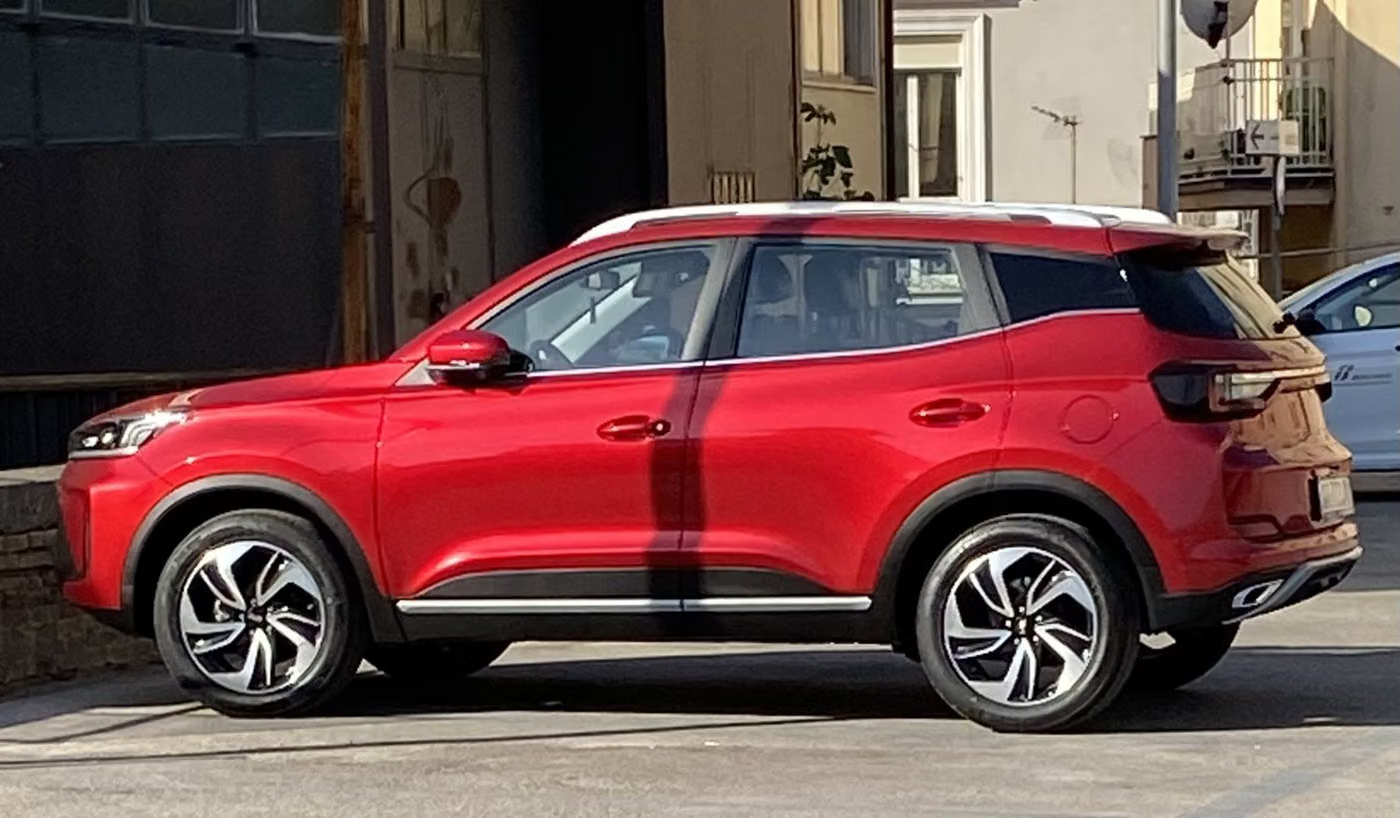
- Complete vehicles (passenger, commercial, two-wheeled)
- Electrical and electronic subassemblies (ESA)
- Electric vehicle charging systems
- Lighting and signalling units
- Driver-assistance systems
In Which Sectors Is UNECE R10 EMC Used?
Standards Related to UNECE R10 EMC
- UNECE R10electromagnetic compatibility in vehicles test
UNECE R10 EMC Conditions
- Scope
- Complete vehicle or electrical/electronic subassembly (ESA)
- Test group
- Radiated and conducted emission, radiated and conducted immunity
- Charging mode
- Additionally evaluated for electric vehicles while connected to the mains
- Limit values
- Defined in the regulation's own annexes
Equipment for UNECE R10 EMC
- Semi-anechoic chamber
- Vehicle dynamometer
- EMI receiver and spectrum analyser
- Power amplifiers and antenna array
- LISN / artificial mains network and transient generators
Sample Requirements for UNECE R10 EMC
- For the complete-vehicle test, the vehicle must be able to be placed in driving mode
- For the ESA test, the component must be presented with its real wiring harness
- The technical description and operating modes of the vehicle or component must be stated
- For electric vehicles the charging equipment must also be included in the test
Duration of UNECE R10 EMC
Component (ESA) tests generally take days. A complete-vehicle R10 programme can extend to several weeks owing to the number of tests and the variety of modes.
UNECE R10 EMC Procedure
- 1The scope (vehicle or ESA) and the list of tests to be applied are determined.
- 2The specimen is placed in the chamber and its operating modes are defined.
- 3Broadband and narrowband radiated emission are measured.
- 4Conducted emission measurements are performed.
- 5Radiated-field immunity is applied and function is monitored.
- 6Conducted-transient tests are performed.
- 7Charging-mode tests are completed for electric vehicles.
- 8Results are compared with the regulation's limits.
UNECE R10 EMC Acceptance Criteria
The limit values and functional-status criteria are defined directly in UNECE R10's annexes; the laboratory cannot change them.
Evaluation of Results
In immunity tests, evaluation looks not only at 'worked/did not work' but at whether the functional degradation affects safety. The list of functions to be monitored during the test must be defined in advance by the applicant.
UNECE R10 EMC Report
- Sample description, serial number and configuration
- Applied standard and year of printing
- Selected intensity level and basis for the level
- Experimental setup and measurement points
- Functional checks performed during the experiment
- Observations, measurement results and photographs
- A statement that the result applies only to the specimen submitted for testing
Accreditation
EUROLAB holds internationally recognised accreditation obtained from accreditation bodies party to the IAF and ILAC multilateral recognition arrangements, under ISO/IEC 17025 for laboratory testing, ISO/IEC 17020 for inspection and surveillance, and ISO/IEC 17021-1 and ISO/IEC 17065 for system and product certification. This chain ensures the reports and certificates issued are accepted worldwide.
Whether this test can be offered within accredited scope depends on your product and the standard applied; since accreditation is method-based, the scope is confirmed in writing at the quotation stage.
Scope and authorisationsRelated Regulations
- Type approval under the UNECE 1958 Agreement
- EU 2018/858 (vehicle type-approval framework regulation)
- Regulation on the Manufacture, Modification and Assembly of Vehicles
Standard-Based Tests — What Does This Group of Pages Cover?
The section below describes the field that the UNECE R10 EMC test belongs to; the conditions and acceptance criteria of this particular test are given in the sections above. The scope specific to your product is confirmed in writing at the quotation stage.
Standard-based tests are test pages whose address comes from a standard number. What the user is looking for is often not the name of the test but the code written in their specification: not "salt spray test" but "ASTM B117", not "drop test" but "IEC 60068-2-31", not "vibration" but "MIL-STD-810 Method 514".
This preference reflects the reality in the field. An engineer sees a code in the specification received from a customer and searches for that code; they do not need to know the name of the test. The code is the identity of the test and distinguishes the different adoptions of the same test by different bodies.
This group addresses the different adoptions of the SAME TEST separately. The same physical phenomenon may be published under different numbers by ISO, ASTM, EN, IEC, DIN and JIS. Even where the numbers are the same (as with ISO 6892-1 and EN ISO 6892-1), specimen preparation, conditions, calculation details and reporting may differ; adoptions may carry national annexes. The code written in the specification therefore governs, and "similar" is not accepted.
Searching at code level meets a different need from searching at scope level. A user searching for "corrosion testing" wants to learn about the field; a user searching for "ASTM B117" has a specification in hand and wants to know the feasibility, duration and price of that test. Two different intents require two different page structures.
The page for a code describes the scope of that code, the test field it belongs to, the product groups in which it is required and how it differs from neighbouring codes. Test conditions, durations and acceptance criteria are NOT CARRIED: these are defined in the copyrighted text of the standard and in the product specification. This boundary is a deliberate choice; a wrong duration or acceptance criterion means directly incorrect work.
Different parts of the same code and different adoptions of the same number are linked between pages. A user searching for IEC 60335 also sees 60335-2-40; a user searching for ISO 6892-1 also sees the EN ISO 6892-1 and DIN EN ISO 6892-1 adoptions. These links are derived from the number of the code rather than written by hand.
The edition year is NOT CARRIED in the library. It is held as "ASTM D638" rather than "ASTM D638-22", because the edition in force changes over time and the address of the page should not age with the edition. If a year is stated in your specification, that edition governs; if not, the most current edition is applied.
Method groups in this field
Searching by code
Direct search for the code written in the specification; it is found in the library with its code, scope title and issuing body.
Searching by scope title
A test whose code is not known is searched by its subject; a search for "salt spray" brings up the related codes.
Series and part relationships
The other parts of the same series are shown, derived from the number of the code.
Adoption relationships
Different bodies' adoptions of the same number are matched; the claim is kept limited to "the same number".
Superseded codes
Withdrawn codes are not held in the library but, when searched for, the user is directed to the counterpart in force.
Commonly confused in this field
- Different adoptions of the same number are not identical texts; they may carry national annexes.
- The code written in the specification governs; a technically similar code cannot be substituted.
- If an edition year is stated, that edition is applied; the most current edition is not automatically accepted.
- A code page carries no test conditions or acceptance criteria; these are in the copyrighted text of the standard and in the product specification.
- A part code (for example -2-40) may not be sufficient on its own; the general part of the series is applied as well.
Which decisions these results support
- Matching the code written in the specification to the correct laboratory scope
- Distinguishing between equivalent adoptions
- Clarifying the scope and edition at the quotation stage
- Finding the current counterpart of withdrawn codes
Related Tests

Frequently Asked Questions About UNECE R10 EMC
Are R10 and the EMC Directive the same thing?
No. Road vehicles and their components are outside the scope of the EMC Directive; R10 applies to them instead.
Does component approval cover the vehicle?
No. ESA approval is for the component. Complete-vehicle tests are performed separately for the vehicle's own type approval.