

What Is Microbial Limits?
Microbial limit tests assess microbiological quality in products that are not required to be sterile. They comprise two parts: total aerobic microbial count together with total yeast and mould count (Ph. Eur. 2.6.12), and testing for specified micro-organisms determined by product category (Ph. Eur. 2.6.13).
Purpose of Microbial Limits
The purpose is to show the product meets microbiological quality criteria and is free of the specified pathogens. Criteria vary by the product's route of administration.
Which Products Is Microbial Limits Applied To?
- Oral solid and liquid forms
- Topical creams, gels and ointments
- Inhalation products
- Herbal medicinal products
- Excipients
In Which Sectors Is Microbial Limits Used?
Standards Related to Microbial Limits
- Ph. Eur. 2.6.12 (microbial enumeration tests)
- Ph. Eur. 2.6.13 (test for specified micro-organisms)
- Ph. Eur. 5.1.4 (microbiological quality of non-sterile products)
- USP <61>, <62> and <1111>
Microbial Limits Conditions
- Method suitability
- It must be verified that the product's antimicrobial effect has been neutralised
- Incubation
- Media, temperature and durations defined in the pharmacopoeia
- Specified micro-organisms
- The list to test for varies by route of administration
Equipment for Microbial Limits
- Sterile cabinet and incubators
- Membrane filtration setup
- Autoclave and media preparation system
- Colony counter
Sample Requirements for Microbial Limits
- Specimen in its original, unopened packaging
- Additional specimen is required for the method suitability study
- The product's route of administration must be provided — it determines which micro-organisms are tested for
- Formulation and preservative system information must be provided
Duration of Microbial Limits
Enumeration and testing for specified micro-organisms take as long as the incubation periods defined in the pharmacopoeia. If the method suitability study is being performed for the first time, it adds to the duration.
Microbial Limits Procedure
- 1Method suitability is verified; the product's antimicrobial effect is neutralised.
- 2The specimen is prepared aseptically.
- 3Plating is carried out for the total aerobic microbial count.
- 4Separate plating is carried out for the yeast and mould count.
- 5Specified micro-organisms are tested for according to the route of administration.
- 6Results are compared against the pharmacopoeia criteria.
Microbial Limits Acceptance Criteria
Ph. Eur. 5.1.4 defines the acceptable microbial limits and the specified micro-organisms to test for, by route of administration. Criteria differ for oral, topical and inhalation products. The acceptance criterion is not given on this page: for every active substance and every product, the limit comes from the relevant pharmacopoeia monograph or the approved specification in the marketing authorisation dossier. The pharmacopoeia's general chapter defines the method; the monograph sets the limit.
Evaluation of Results
The method suitability study cannot be skipped: if the product's preservative system is not neutralised, the micro-organisms cannot grow on the medium and the result looks better than it really is. This is the most common error in microbial limit testing.
Microbial Limits Report
- Product identification, batch and route of administration
- Method suitability study results
- Total aerobic count and yeast/mould count
- Specified micro-organisms tested for, and their results
- Pharmacopoeia criteria compared against
Accreditation
EUROLAB holds internationally recognised accreditation obtained from accreditation bodies party to the IAF and ILAC multilateral recognition arrangements, under ISO/IEC 17025 for laboratory testing, ISO/IEC 17020 for inspection and surveillance, and ISO/IEC 17021-1 and ISO/IEC 17065 for system and product certification. This chain ensures the reports and certificates issued are accepted worldwide.
Whether this test can be offered within accredited scope depends on your product and the standard applied; since accreditation is method-based, the scope is confirmed in writing at the quotation stage.
Scope and authorisationsRelated Regulations
- 2001/83/EC Directive on Medicinal Products for Human Use
- GMP Guide (EudraLex Volume 4)
Pharmaceutical Analysis — What Does This Testing Field Cover?
The section below describes the field that the Microbial Limits test belongs to; the conditions and acceptance criteria of this particular test are given in the sections above. The scope specific to your product is confirmed in writing at the quotation stage.
Pharmaceutical analysis determines the identity, purity, quantity and behaviour of an active substance and of the finished product. What sets this family apart is that the methods are largely defined in PHARMACOPOEIAS: the European Pharmacopoeia (Ph. Eur.) and the United States Pharmacopeia (USP) give both the method and the acceptance framework together.
The binding nature of the pharmacopoeial method shapes how the field works. In other sectors a laboratory can choose a suitable method, whereas here the method in the monograph governs; if an alternative method is to be used, its equivalence must be demonstrated. This is what makes results comparable worldwide.
Analyses are carried out in several groups. Identity and assay (HPLC, UV, titration) show what the product is and how much active substance it contains. The impurity profile and residual solvents look for unwanted compounds arising from the manufacturing process. Elemental impurities address metals originating from catalysts and equipment. Dissolution and disintegration behaviour is the most important in vitro indicator of how the drug will be released in the body.
The DISSOLUTION TEST is one of the most critical measurements in the field. It is not enough for a tablet to contain the right amount of active substance; that substance must dissolve at a suitable rate. The dissolution profile is used to assess the effect of formulation changes on bioavailability and holds a central place in generic drug licensing.
METHOD VALIDATION is a mandatory step in this family. If a pharmacopoeial method is used, it is verified that the method works properly under that laboratory's conditions. If an in-house method has been developed, it is validated against parameters such as linearity, precision, accuracy, specificity, limits of detection and quantification, and robustness. A result produced with an unvalidated method cannot be used in a licence dossier.
Stability studies determine shelf life and are the longest-running work in the field. The product is held under defined temperature and humidity conditions, analysed at set intervals, and the results become the basis of the shelf life and storage condition claims. Accelerated conditions give preliminary information but real-time data is what counts.
The microbiological side is a separate body of work: microbial enumeration, testing for specified microorganisms, sterility testing for sterile products and the bacterial endotoxin test. For sterile products, packaging integrity and sterilisation validation also come into play.
Data integrity has moved to the centre of inspections in recent years. It is not enough for the result to be correct; the raw data must be traceable, unalterable and auditable. Validation of electronic record systems has therefore become an inseparable part of analysis.
Method groups in this field
Identity and assay
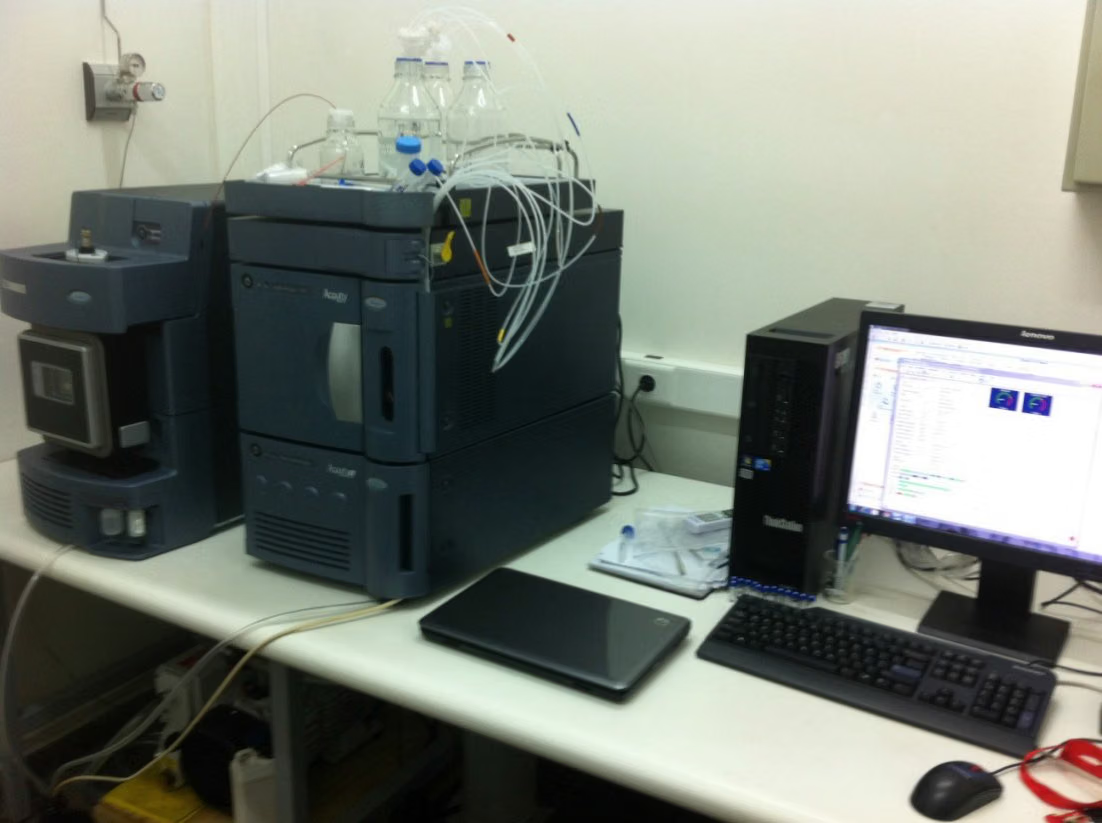
HPLC, UPLC, UV-Vis spectrophotometry, titration, identity confirmation by FTIR.
Impurities and residues
Related impurities, degradation products, residual solvents (GC headspace), nitrosamine screening.
Elemental impurities
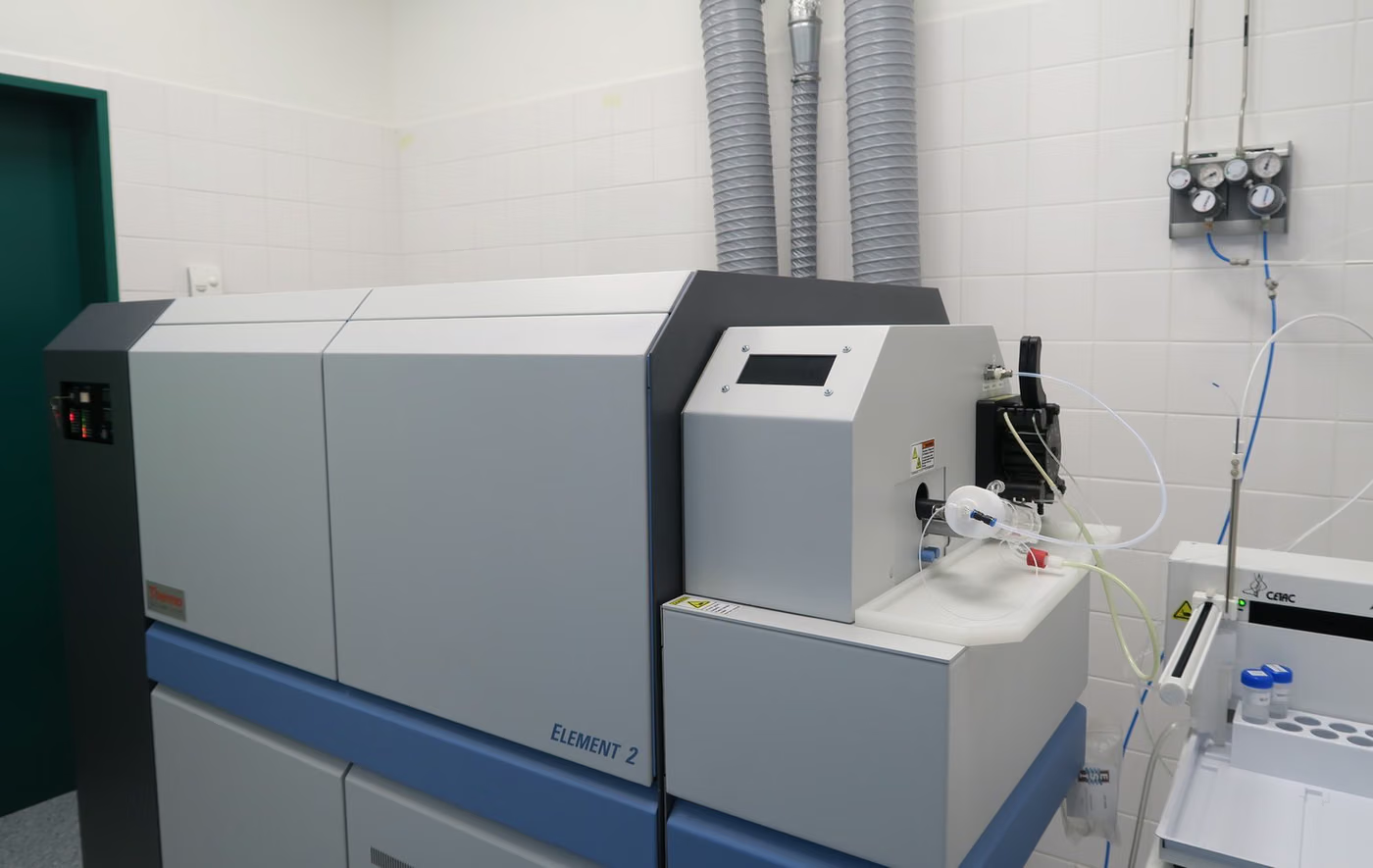
Determination of elemental impurities by ICP-MS and ICP-OES and the associated risk assessment.
Physicochemical
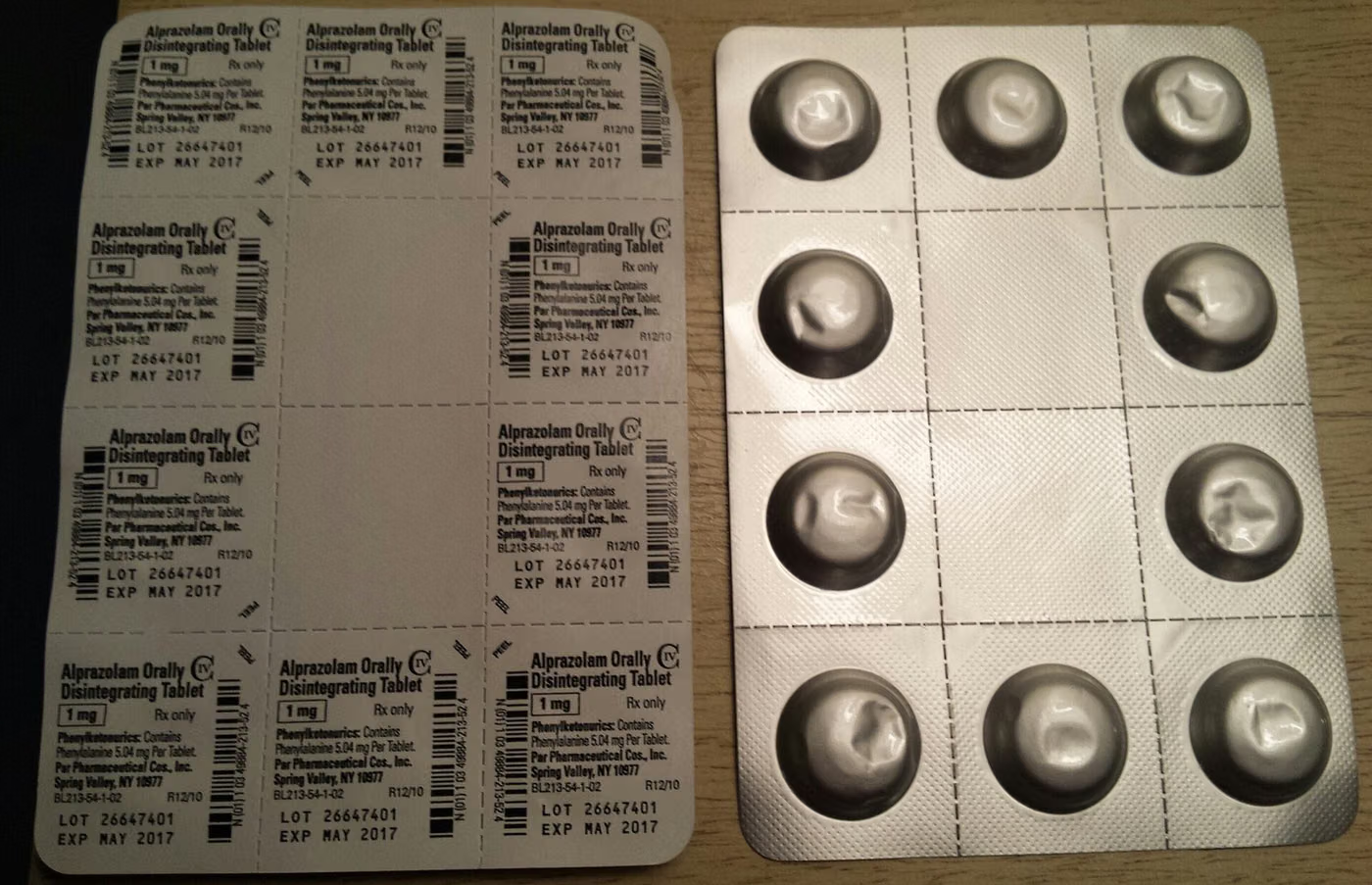
Dissolution and disintegration, hardness, friability, uniformity of dosage units, water content (Karl Fischer), particle size.
Microbiological
Microbial enumeration, specified microorganisms, sterility, bacterial endotoxin, preservative efficacy.
Stability
Real-time and accelerated stability studies; photostability and in-use stability.
Commonly confused in this field
- The pharmacopoeial method is binding; an alternative method may be used only by demonstrating its equivalence.
- A result produced without method validation cannot be used in a licence dossier.
- Accelerated stability does not replace real-time data; shelf life is supported by real-time results.
- The dissolution profile is sensitive to apparatus type, agitation rate and medium; the conditions must be complete in the report.
- A shortcoming in data integrity produces a non-conformity in an inspection even when the result is correct.
- A change of formulation or supplier requires analytical comparison and, where necessary, a new stability study.
Which decisions these results support
- The licence dossier and batch release
- Determining shelf life and storage conditions
- Method transfer and method validation
- Incoming raw material acceptance control from suppliers
- Assessing the effect of a formulation change on bioequivalence
Related Tests

Frequently Asked Questions About Microbial Limits
Must method suitability be repeated for every batch?
No, it is done once per product and remains valid unless the formulation or method changes. It must be redone, however, if the formulation, preservative system or method changes.