
What Is Xenon?
The xenon arc aging test is an experiment in which the sample is aged in defined irradiance, black panel temperature, humidity and water spray cycles by producing a spectrum close to sunlight with a filtered xenon lamp.
Purpose of Xenon
The aim is to evaluate the effect of outdoor exposure on colour, gloss and mechanical properties in a time-lapse manner with a more realistic spectrum.
Which Products Is Xenon Applied To?
- Automotive interior and exterior trim
- Paints and coatings
- Plastic and textile products
- outdoor building materials
In Which Sectors Is Xenon Used?
Standards Related to Xenon
- ISO 4892-2
- ASTM G155Accelerated aging with xenon arc test
- SAE J2527
- SAE J2412 (interior trim)
- ASTM G151
Xenon Conditions
- Filtre
- Daylight or behind-glass filter; defined in specification
- Radiation
- Set and monitored in W/m²·nm at 340 nm or 420 nm
- Black panel temperature
- Defined in the standard; is recorded
- Cycle
- Periods of light, darkness and water spray; It is expressed as total radiation dose (kJ/m²)
Equipment for Xenon
- Xenon arc aging cabin
- Radiation and temperature control system
- Siyah panel/siyah standart termometre
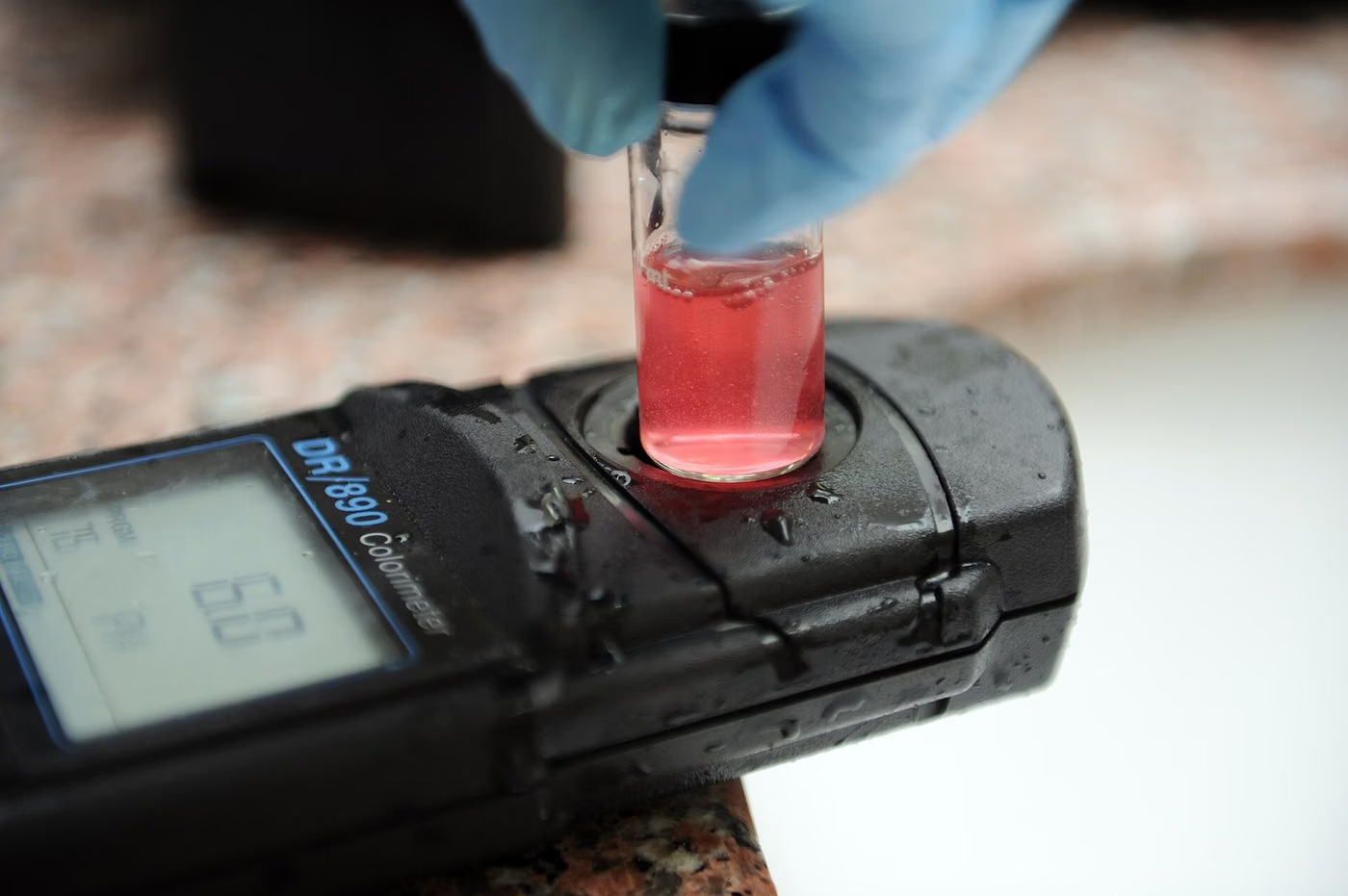
- Colorimeter, gloss meter and tensile device
Sample Requirements for Xenon
- Initial colour, gloss and mechanical values should be recorded
- Filter type must comply with specification
- Sample positions should be rotated
- Reference material can be aged together
Duration of Xenon
2 weeks to several months, depending on the target radiation dose.
Xenon Procedure
- 1Initial measurements are taken.
- 2Filter, radiation and cycle are selected.
- 3Specimens are placed in the chamber.
- 4Aging continues until the target radiation dose.
- 5Interim measurements are taken.
- 6Colour, gloss and mechanical change are evaluated.
Xenon Acceptance Criteria
The acceptance criterion is the maximum color difference, loss of brightness and loss of properties at the radiation dose given in the specification.
Evaluation of Results
The choice of filter determines the outcome: the behind-glass filter is used for interior trim, the daylight filter is used for external exposure, and the two cannot be compared. Accelerated radiation dose cannot be directly converted to natural years of exposure; Specifications such as SAE J2527 give requirements in terms of dosage.
Xenon Report
- Applied standard and filter type
- Irradiance level and wavelength
- Black panel temperature and cycling
- Total radiation dose
- Before/after measurements
Accreditation
EUROLAB holds internationally recognised accreditation obtained from accreditation bodies party to the IAF and ILAC multilateral recognition arrangements, under ISO/IEC 17025 for laboratory testing, ISO/IEC 17020 for inspection and surveillance, and ISO/IEC 17021-1 and ISO/IEC 17065 for system and product certification. This chain ensures the reports and certificates issued are accepted worldwide.
Whether this test can be offered within accredited scope depends on your product and the standard applied; since accreditation is method-based, the scope is confirmed in writing at the quotation stage.
Scope and authorisationsRelated Regulations
- Automotive OEM specifications
- Product standards
Paint and Coating Testing — What Does This Testing Field Cover?
The section below describes the field that the Xenon test belongs to; the conditions and acceptance criteria of this particular test are given in the sections above. The scope specific to your product is confirmed in writing at the quotation stage.
Paint and coating testing measures the adhesion of a coating to the surface, its mechanical durability and its resistance to environmental effects. Because a coating is a thin layer, the results depend both on the material and on the QUALITY OF APPLICATION; the same paint gives an entirely different result over a different surface preparation.
This dual dependence is the most important knowledge in the field. A coating failure usually arises not from the paint itself but from the surface preparation: oil residue, insufficient roughening, an oxide layer or moisture. Coating tests therefore assess not only the product but also the process, and the results are used for process control.
COATING THICKNESS is a recurring variable in the field. Many durability results relate directly to thickness; a thin area becomes the starting point of corrosion. Thickness measurement is therefore reported routinely alongside the other tests and is usually taken at several points — thickness falls at edges and corners, especially on complex geometries.
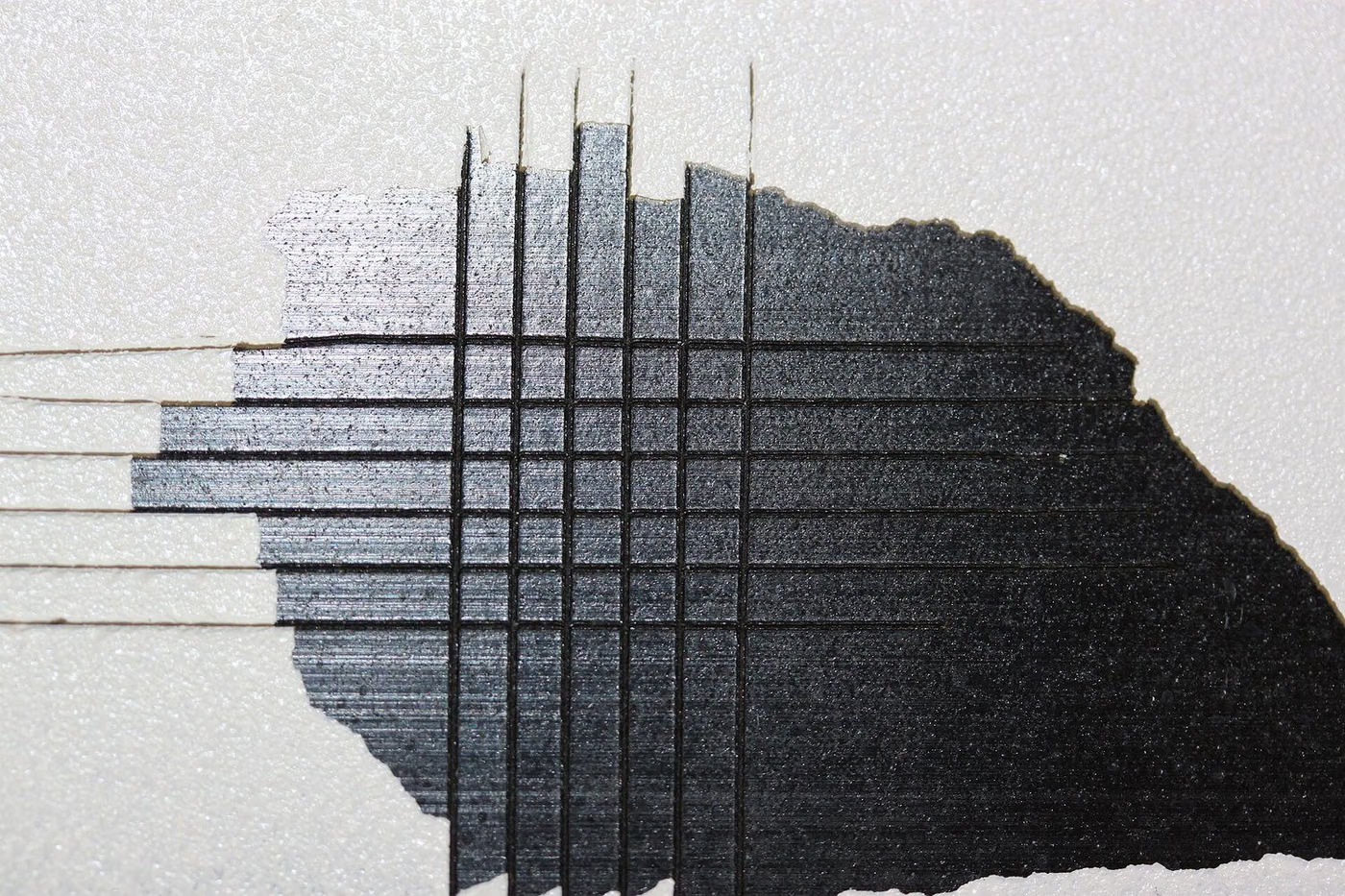
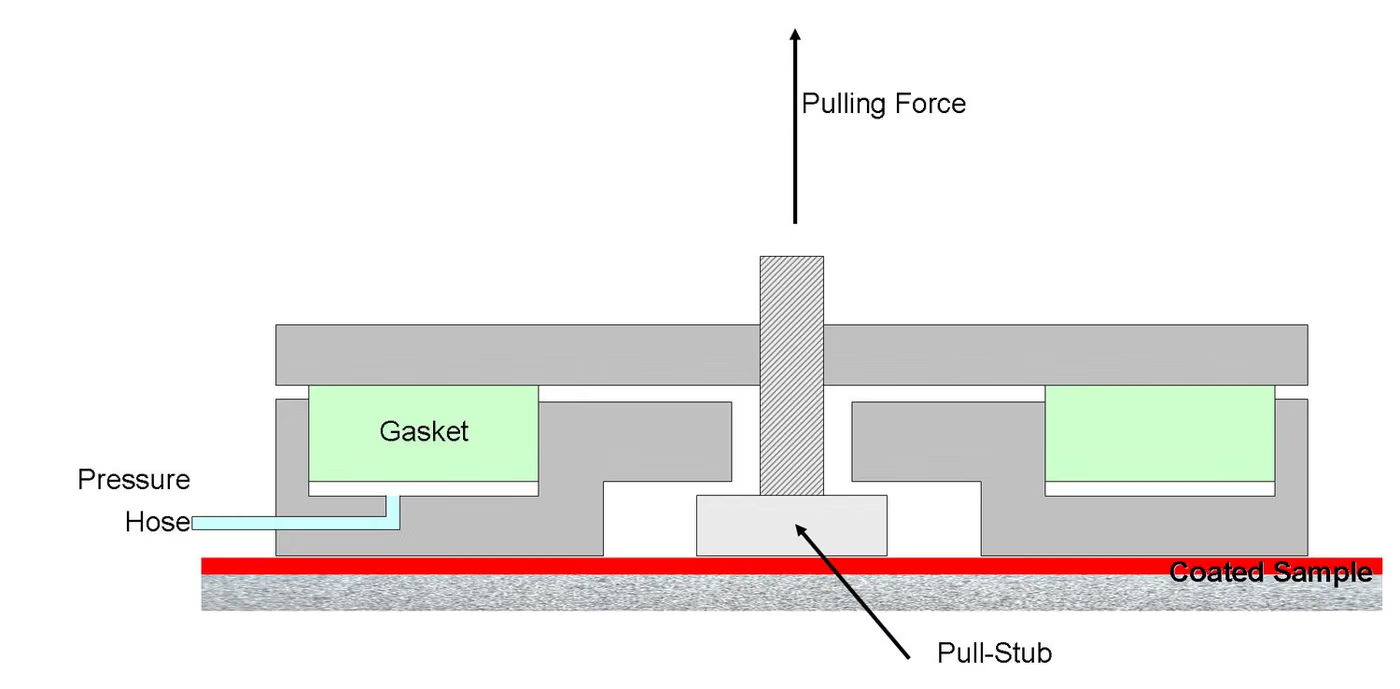
Three approaches are used on the adhesion side, each giving different information. The tape test is fast and suitable for field use but is a coarse scale. The cross-cut test shows behaviour at the intersections of layers. The pull-off method produces a numerical strength value and is the most suitable for comparison.
On the mechanical side, flexibility (mandrel bending), impact resistance, hardness, abrasion and stone chip resistance are measured. Stone chipping has a special place in automotive: gravel striking the coating under real road conditions is simulated, and the result is assessed according to whether the coating continues to protect the base metal.
On the appearance side, gloss and colour difference are monitored NUMERICALLY. Colour is assessed with a colour measuring instrument rather than by eye and the colour difference is expressed as a number; this makes it possible to compare different lots and different suppliers.
On the durability side, accelerated ageing (xenon arc, fluorescent UV), humidity, condensation and salt spray are applied. The result is assessed with scales for blistering, rusting, creep from a scribe and loss of adhesion; these scales are defined in separate standards and the report must state which was used.
In industrial processes such as powder coating and electrophoretic coating, the curing cycle (temperature and time) is what determines the result. An under-cured coating looks good but has poor chemical resistance and adhesion; oven profile measurement is therefore part of coating quality control.
Method groups in this field
Thickness
Dry film thickness by magnetic and non-magnetic methods; multi-point measurement and assessment of the distribution.
Adhesion
Tape test, cross-cut test and pull-off adhesion strength.
Mechanical strength
Mandrel bend flexibility, rapid deformation (impact), pencil and scratch hardness, Taber abrasion, stone chipping.
Appearance
Gloss measurement, colour difference calculation, orange peel and surface defect assessment.
Environmental durability
Salt spray, humidity, condensation, xenon arc and fluorescent UV ageing, chemical and stain resistance.
Assessment scales
Scales for blistering, degree of rusting, creep from a scribe and loss of adhesion.
Commonly confused in this field
- A coating result depends on the surface preparation; even if the paint itself is good, a poor preparation gives a poor result.
- A durability result without a reported thickness cannot be compared.
- The tape test is a coarse scale; numerical comparison requires the pull-off method.
- Colour cannot be assessed by eye; numerical colour difference measurement is required.
- An ageing result without a stated assessment scale cannot be interpreted.
- If the curing cycle is incomplete the coating looks good but its durability is poor; the oven profile is part of quality control.
Which decisions these results support
- Paint system approval and supplier selection
- Process control of the paint line and lot acceptance
- Supporting outdoor and automotive durability claims
- Detecting defects arising from surface preparation
- Monitoring colour and gloss consistency lot by lot
Related Tests
Frequently Asked Questions About Xenon
Can xenon and fluorescent UV testing be used interchangeably?
Not available. Xenon produces a broad spectrum close to the solar spectrum; Fluorescent UV lamps concentrate only in the UV region and carry out some degradation mechanisms at different rates. The method required by the specification must be applied.