
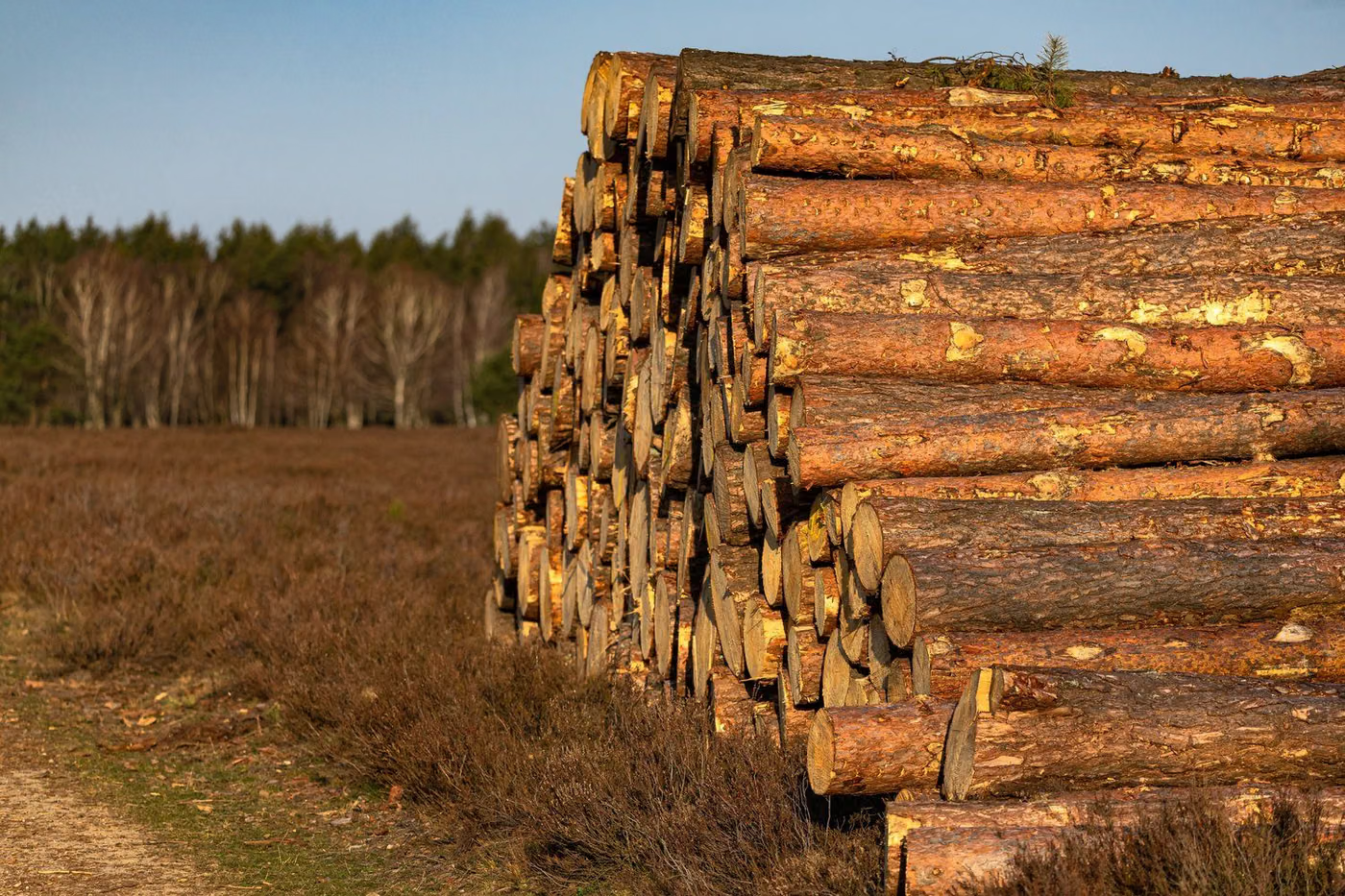
EU Deforestation Regulation (EUDR) postponed by one year: new date 30 December 2026
Application for large companies begins on 30 December 2026; small companies have been given additional time until 30 June 2027, while the geolocation data requirement remains in force.
The EUDR requires that in-scope commodities and products made from them enter the EU market only when shown not to cause deforestation. At the core of the obligation is the due diligence statement.
The postponed date means extra time for preparation; the obligation itself does not change. What matters is making the geolocation data of the land of origin and supply chain records collectable.
In practice the difficulty is mostly in data collection: obtaining location and documents from upper-chain suppliers does not work without a system.
The new schedule has two stages
Application of Deforestation Regulation (EU) 2023/1115 has been pushed back a further year from the intended date. For large and medium enterprises the main obligations begin on 30 December 2026.
Micro and small enterprises and natural persons were given a further six months: their date is 30 June 2027. This distinction means two links in the same supply chain become obligated on different dates.
The deferral does not change the regulation's environmental goals; the targeted revision made alongside it simplifies declaration processes and eases the burden on small firms. So the timetable lengthened, but that cannot be read as scope being lifted.
Why the postponement happened
Foremost among the reasons is the readiness of the Commission's IT system: starting the obligation before the system processing declarations and verifying conformity had matured enough for real volumes would have caused a practical bottleneck.
The second reason was operators' and inspectors' capacity to fulfil due diligence at the required level across complex supply chains. The third was pressure from trading partners.
Which commodities and products are in scope
The regulation targets specific commodities and products derived from them: cattle, cocoa, coffee, palm oil, soya, rubber and wood. Scope is not limited to raw materials — processed products containing these are also listed.
A scope assessment therefore cannot be closed with the sentence "we do not sell forest products". A product with a wood derivative in its packaging, leather of bovine origin or palm oil among its ingredients can also fall within the scope; the decision is made by looking at the bill of materials.
What due diligence actually requires
There are three components: information gathering, risk assessment and risk mitigation. The most demanding part on the information side is geolocation data — the land's location must be traceably recorded.
The gathered information becomes a due diligence statement submitted to the system. Since the declarant is responsible for data accuracy, how supplier information was verified must also be recorded.
The extra time does not change the real work: obtaining location data from suppliers, writing it into contracts and keeping it current takes months. The deferral opens room to finish that work, not delay it.
How this regulation departs from conformity-file logic
Classic product legislation regulates the product's PROPERTIES: is it safe, compliant, does it deliver its declared performance. This regulation instead regulates the product's ORIGIN: where the raw material came from, on which land and after which date.
This difference completely changes the nature of the preparatory work. What is needed is not lab tests or a technical file, but supply chain data and geolocation: the coordinates of the production plot, the production date and records of every actor in the chain.
The second difference is that the obligation applies per BATCH, not per product: a due diligence statement is submitted for each batch, resting on that batch's traceability data.
Due diligence has three steps
The first step is gathering information: which land plot the product came from, the production date, the tiers of the supply chain, and compliance with the relevant legislation of the producing country.
The second step is risk assessment: the reliability of the information, the risk level of the production region and the chance of mixing in the chain are evaluated. If risk cannot be reduced to a negligible level, the product cannot be placed on the market.
The third step is risk mitigation: requesting additional documents, conducting an independent audit, changing supplier, or ensuring segregation of lots. The record of these three steps is itself the file to be presented at inspection.
Making proper use of a deferral
Deferral decisions are common in this type of regulation and usually stem from IT systems or supply chains not being ready. But a deferral is not a lightening of the obligation.
The most valuable work in the deferred period is completing the controllable items, not the uncontrollable ones: mapping suppliers, adding data-sharing clauses to contracts, defining the geolocation data format, and setting internal responsibility allocation.
Experience shows that in these regulations the real bottleneck lies not in your own organisation but with the SUPPLIER: a supplier that does not hold the data takes months to set up a process, and that time is independent of any deferral.
What to do?
- 1Verify via the customs tariff code whether your products fall within scope.
- 2Set up a process for collecting geolocation data from suppliers.
- 3Define the record set your due diligence statement relies on.
This article is for informational purposes and does not constitute legal advice. How a regulation applies to your product depends on the product's technical characteristics and target market; the exact scope can only be determined by examining the product.